
 By
By 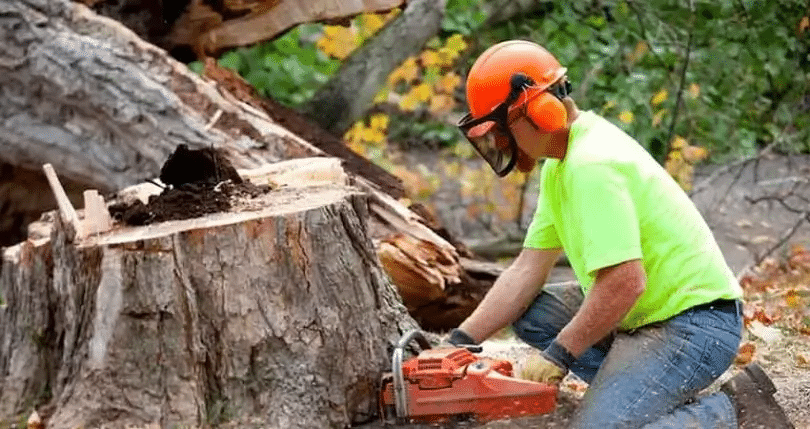
Scheduling a tree removal service is an important step for maintaining the safety, health, and aesthetic appeal of your property. Whether you are dealing with a diseased tree, a storm-damaged limb, or simply want to improve your landscape, hiring professionals ensures the process is efficient and safe. Understanding what to expect during a tree removal service can help homeowners prepare, minimize disruptions, and make informed decisions.
Tree removal is not just about cutting down a tree. Professionals assess the health of the tree, its location, and potential risks to surrounding structures or landscaping. Safety is a top priority, as improper removal can cause property damage, personal injury, or legal liabilities. Licensed tree removal companies bring expertise, specialized equipment, and knowledge of local regulations, making the process far more manageable for property owners.
Initial Consultation and Assessment
When you first contact a tree removal service, a professional will usually conduct an initial consultation. This can be done over the phone or in person, depending on the company’s practices. The goal is to gather information about the tree’s size, species, condition, and location. Professionals may ask about any nearby structures, power lines, or landscaping features that could affect the removal process.
During the assessment, the tree removal team evaluates factors such as the tree’s health, age, and stability. Diseased or weakened trees may pose additional risks and require specialized handling. The service provider may also determine if additional services, such as stump removal or debris hauling, are needed. Homeowners should expect a detailed explanation of the recommended approach, estimated timeline, and cost. This transparency helps avoid surprises and ensures the property owner can make informed decisions.
Preparing Your Property
Once you schedule a tree removal, proper preparation is essential. Homeowners are advised to clear the area around the tree, including vehicles, outdoor furniture, and any delicate landscaping elements. This provides the tree removal crew with adequate space to work safely and prevents damage to property during the process.
Professional tree removal services often bring equipment such as cranes, ropes, chainsaws, and wood chippers. Ensuring that pets and children are kept away from the work area is critical for safety. Some companies may also advise temporarily shutting off sprinklers or moving garden ornaments to prevent accidental damage during the removal process.
The Tree Removal Process
The actual tree removal process can vary depending on the size and location of the tree. Small trees may be cut down in a single piece, while larger trees often require section-by-section removal. In urban or confined areas, crews may use cranes or rigging systems to safely lower large branches without impacting surrounding property.
Professional arborists or tree removal specialists carefully plan each cut to maintain control over how the tree falls. Safety measures such as protective gear, traffic cones, and cordoned-off areas are standard. During removal, branches are trimmed, the trunk is cut into manageable sections, and the debris is cleared or chipped on-site. Homeowners can expect the crew to work efficiently while minimizing disruption to the surrounding area.
Tree removal services often include additional options, such as stump grinding. Removing the stump prevents tripping hazards, discourages pest infestations, and allows for future landscaping projects. Depending on the service package, the company may haul away debris or leave it for composting or firewood. Discussing these details ahead of time ensures the outcome meets your expectations.
Safety and Regulations
Safety is the cornerstone of any professional tree removal service. Companies are trained to follow strict protocols, including proper equipment use, environmental considerations, and compliance with local ordinances. Some municipalities require permits for tree removal, especially for large or protected species. A reputable tree removal service will guide homeowners through any necessary permits and ensure that all work adheres to local laws.
Homeowners should also be aware of potential insurance considerations. Professional services carry liability insurance to cover accidental damage to property or injuries during the job. This protection is another reason why hiring licensed professionals is preferable to attempting a DIY tree removal, which can be dangerous and costly.
Post-Removal Care and Cleanup
After the tree is removed, the property should be inspected to ensure no hazards remain. Professionals typically clean up the site, removing branches, wood chips, and other debris. Stump grinding or removal is often completed at this stage, leaving a level area ready for landscaping or planting.
Homeowners may also consider additional landscaping or tree planting to replace the removed tree. Professional services can provide guidance on suitable species, placement, and maintenance to ensure the long-term health of the property’s landscape. Scheduling regular inspections of remaining trees can prevent future risks and maintain property safety and aesthetics.










Comments