
 By
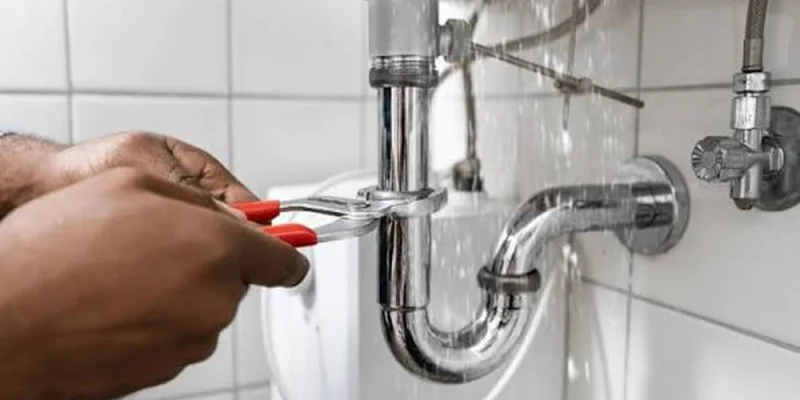
A water stain on a ceiling is easy to ignore. It is small, it dries out between rainstorms and it rarely seems urgent next to everything else on the list. That is exactly why leaks cause so much damage: water does most of its harm out of sight, long before it shows. Arranging water leaking repair early is far cheaper than the structural work that follows when moisture is left to soak into concrete and steel for months.
How Water Damages a Building Slowly
Reinforced concrete looks solid, but it is porous. Water that seeps in from a failed bathroom membrane, a cracked roof or a leaking pipe travels through the slab and reaches the steel bars inside. Once the steel starts to corrode, the rust takes up more volume than the original metal, which pushes the surrounding concrete apart. The process is slow, and by the time the damage is visible it has usually been under way for a long while.
Concrete Spalling Explained
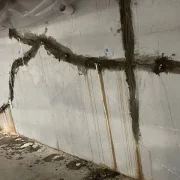
Spalling is what happens when that expanding rust breaks the concrete cover away from the reinforcement. It appears as cracks, bulges, flaking plaster and eventually chunks of concrete falling from ceilings, often in bathrooms and kitchens. Repairing it means hacking off the loose concrete, cleaning or replacing the corroded steel, applying a protective coating and rebuilding the surface with repair mortar. That is a much bigger job than sealing the leak that caused it.
Early Signs Worth Acting On
Most leaks give warnings before they turn serious, and catching them early keeps the repair small. Look out for:
- Yellow or brown stains on ceilings, especially below bathrooms
- Paint that bubbles, peels or stays damp to the touch
- A musty smell or mould spots in corners and behind furniture
- Tiles that sound hollow when tapped or grout that keeps darkening
- A water meter that moves when every tap in the home is off
Hidden Leaks Behind Walls and Floors
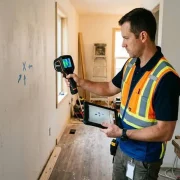
Some leaks never show a stain at all. Concealed pipes behind walls and under floors can leak steadily, saturating screed and wall plaster while the surface stays dry. The clues are subtle: a higher water bill, a patch of wall that feels cool, skirting boards swelling or floor tiles lifting. A water meter test is a simple first check, and moisture meters or thermal imaging help pinpoint the source without opening up large areas.
Why Delay Costs More
The difference between early and late repair is not just a bigger bill. Early on, a leak might need resealing of grout, a pipe joint replaced or a small section of membrane renewed. Months later, the same leak may require spalling repair, ceiling replacement, new electrical fittings where water reached the wiring and treatment for mould. In multi-storey buildings, the damage can spread to a neighbour’s ceiling and bring a second household into the problem.
Health Effects of Damp
Persistent moisture encourages mould, and mould spores aggravate allergies, asthma and other respiratory complaints. Damp walls also attract pests that favour humid hiding places. These effects build gradually, so households often do not connect a cough or a smell with a leak that started months earlier. Fixing the moisture source is the only lasting way to remove the problem, since cleaning visible mould does not stop it returning.
What a Proper Repair Involves
A sound water leaking repair begins with finding the source rather than treating the stain. A typical sequence looks like this:
- Inspection and moisture readings around the affected area
- Testing, such as a ponding test for floors or pressure testing for pipes
- Repair of the cause, whether membrane, sealant, grout or pipework
- Drying out and, if needed, structural repair of damaged concrete
- Making good the finishes once the area is confirmed dry
Who Is Responsible for the Repair
In strata-titled condominiums, leaks from common property are generally the management corporation’s responsibility, while leaks from within a unit fall to that unit’s owner. In HDB flats, inter-floor ceiling leaks are typically the upper-floor owner’s job to repair, with costs commonly shared between the two flats. Raising the issue early, with photographs and dates, makes these conversations easier and stops the damage growing while people argue.
Simple Checks You Can Do Yourself
Owners can catch many leaks with a few minutes of attention every couple of months. Check ceilings below bathrooms and around air-conditioning units, look at the grout around showers and floor traps, run the water meter test before a long holiday and keep an eye on any wall that feels damp. None of this replaces professional testing, but it shortens the time between a leak starting and someone noticing it.
When to Call a Professional
Call for an inspection as soon as a stain appears, spreads or returns after drying, rather than waiting to see whether it gets worse. The same applies to cracked or flaking concrete, any sign of rust staining and an unexplained rise in water use. Ask for testing before repair and a clear explanation of the cause. Getting leak detection and repair for hidden water leaks done promptly keeps the fix small and protects the structure that the rest of the home depends on.







Comments