
 By
By 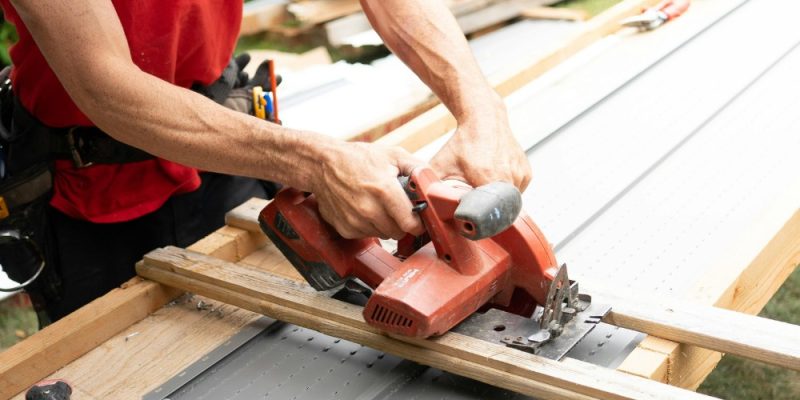
Is custom storage useful?
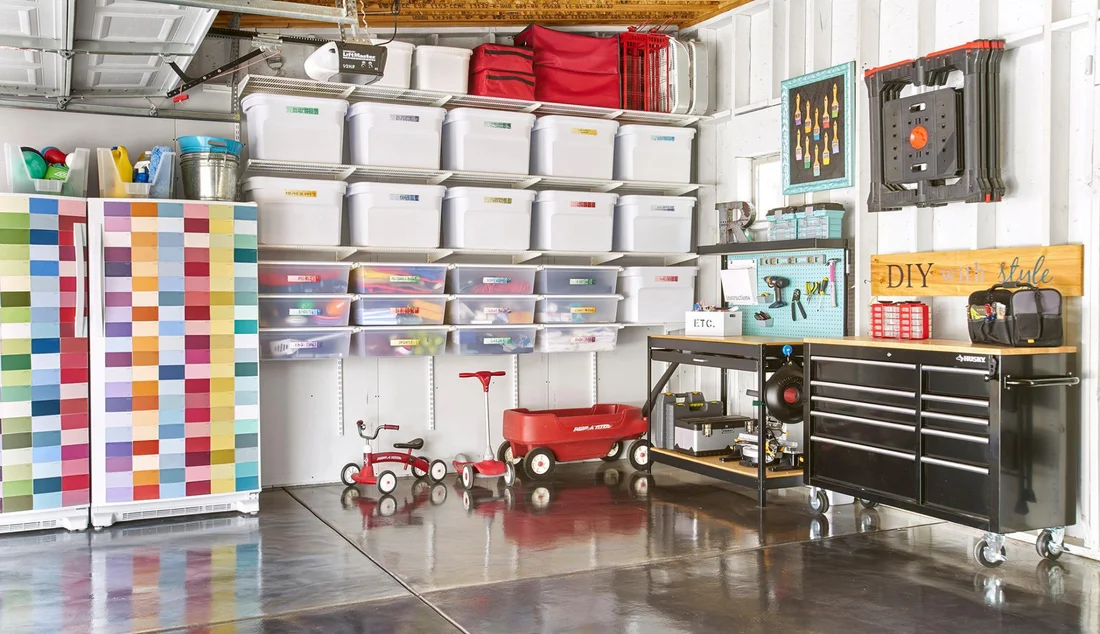
Storage problems rarely share the same cause across two properties, even when the symptoms look similar. A bedroom without adequate wardrobe space is a different problem from a kitchen missing cabinet depth, or a home office where equipment and cables need to be contained within a footprint that leaves room actually to work. The gaps left behind by off-the-shelf units are typically what made the space feel inadequate before purchasing them. Carpenters build units around what the space actually contains. Tømrer Nordsjælland commissions for custom storage deliver what purchased alternatives structurally cannot: a unit dimensioned to the real space, fixed to the real wall, and built to carry what will actually go inside it rather than what a product specification assumed.
How does it affect function?
A unit built to the precise dimensions of a wall alcove or staircase void uses space that standard furniture leaves empty. That recovered area is rarely trivial. Across a room, it often represents a substantial gain in accessible storage without touching a single wall. Height and depth produce gains that width alone does not capture. A full-height wardrobe built to the actual ceiling level of a room stores considerably more than a standard unit that stops short and leaves a gap above it, used for nothing. A cabinet fitted to the exact depth of a wall recess uses the whole recess rather than projecting forward to suit a standardised depth. These dimensional recoveries compound into a storage outcome that changes how a room actually functions day to day.
A carpenter’s assessment
Before construction begins, an experienced carpenter works through conditions that determine how a unit will be built and fixed.
- Wall construction behind the installation point determines what fixings are appropriate and how much filled weight the wall will reliably carry over time.
- Floor level across the installation width must be measured before any cutting happens. This is because units built to a nominal level on a sloping floor produce gaps and racking that cannot be corrected once the unit is in place.
- Concealed services within walls or floors that fall inside the installation footprint need to be located before drilling or cutting starts. This avoids damage that costs far more to repair than the assessment would have taken.
Ceiling height variations across the width affect how full-height units are scribed at the top, and ignoring them produces inconsistent gaps that draw attention regardless of how well the rest of the unit was fitted.
Why joinery quality matters?
Custom storage built with proper joinery behaves differently from flat-pack units assembled with dowels and cam locks under production-line tolerances.
- Shelves matched in thickness to their span, and anticipated load carry sustained weight without deflecting. Standard shelving bows under loads that the specification never accounted for.
- Drawer boxes built to the weight they will actually carry run cleanly after years of daily use rather than loosening at the joints as the load works against inadequate connections.
- Hinges fixed into solid material with adequate depth hold their adjustment through repeated opening cycles rather than drifting as the fixing points compress over time.
- Flat-pack alternatives are dimensioned for the average buyer in an average room, not for the specific load, fixing conditions, or spatial constraints of any particular commission.
A carpenter who applies these construction decisions consistently across every stage of a custom storage build produces a unit that performs reliably across many years of daily use. That gap between generic production and site-specific construction is precisely where skilled carpentry moves from a preference to a practical necessity.






Comments