
 By
By 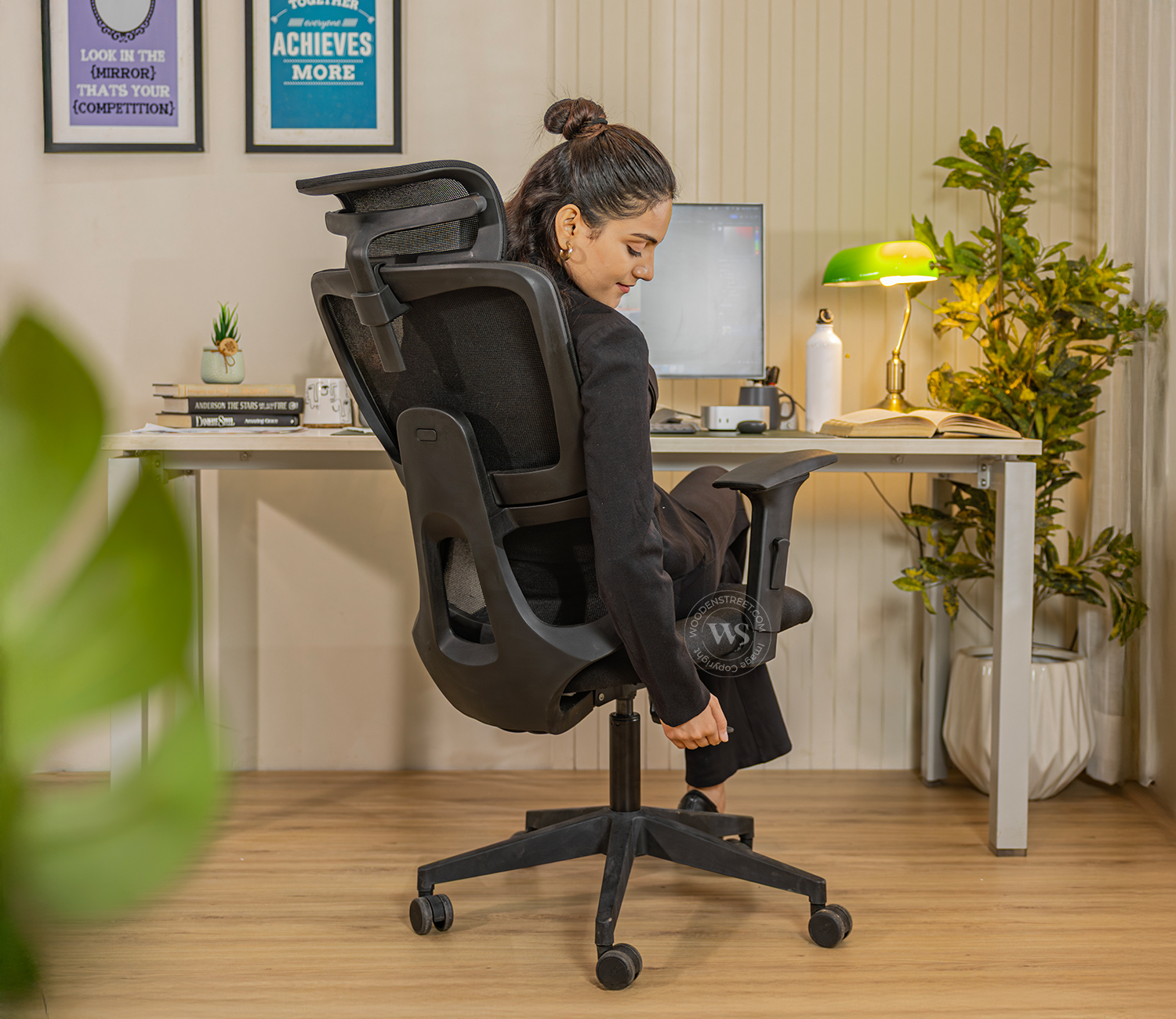
Office Mesh Chair designs have fundamentally transformed workplace seating over the past two decades, addressing longstanding comfort and health concerns that plagued traditional upholstered options. The evolution from foam-padded chairs to breathable mesh alternatives reflects growing understanding of how prolonged sitting affects human physiology and workplace productivity. Yet the proliferation of mesh chair options across price points from budget to premium has created a marketplace where distinguishing genuinely ergonomic designs from superficially similar imposters requires informed scrutiny of specific features and construction quality.
Understanding Mesh Technology Advantages
Breathability and Temperature Regulation
Singapore’s tropical climate makes thermal comfort a critical seating consideration. Traditional foam upholstery traps heat against the body, creating discomfort during extended sitting periods. Mesh office chairs address this through suspended fabric allowing continuous air circulation. The mesh material permits heat dissipation whilst supporting body weight, maintaining comfort across full workdays.
This breathability advantage proves particularly significant in air-conditioned offices where temperature fluctuations occur. Mesh adapts more readily than foam to varying thermal conditions, preventing the clammy sensation foam creates when users transition from cooler to warmer environments.
Durability and Maintenance Characteristics
Quality mesh materials resist degradation that affects foam upholstery. Foam compresses permanently over time, losing supportive properties and creating uneven seating surfaces. Mesh maintains tension and support characteristics longer, though quality varies significantly between manufacturing grades.
Maintenance proves simpler with mesh construction. Surface cleaning requires only basic wiping, whereas upholstered chairs trap dust, absorb spills, and harbour allergens requiring professional cleaning.
Critical Ergonomic Features
Lumbar Support Systems
Lower back pain represents the predominant workplace health complaint globally, with prolonged sitting a primary contributing factor. Office Mesh Chair designs should incorporate adjustable lumbar support enabling users to position the backrest curve precisely where their spine requires it.
Premium designs offer independent lumbar adjustment separate from overall backrest positioning. Basic models may provide fixed lumbar curves that suit average users but fail to accommodate individual variation in spine curvature and torso length. The adjustability distinction separates adequate seating from genuinely ergonomic solutions.
Adjustability Range and Mechanisms
Comprehensive adjustment capability allows chairs to accommodate diverse body types and working positions. Essential mesh chair for office adjustments include:
- Seat height via hydraulic gas lift mechanism (typically pneumatic)
- Backrest tilt with tension control
- Armrest height, width, and angle positioning
- Seat depth adjustment for varying leg lengths
- Lumbar support positioning
Singapore rental markets reflect these features in pricing. Basic mesh chairs rent for approximately $40, whilst models with comprehensive adjustment systems command premium rates. As product specifications commonly note, key features include “mesh fabric office chair,” “back rest tilt function,” and “hydraulic gas lift” as standard components.
Weight Capacity Considerations
Chairs carry rated weight capacities reflecting frame strength and mesh material specifications. Standard office chairs typically support up to 80 to 90 kilograms, though specifications vary. Users approaching or exceeding these ratings require chairs explicitly designed for higher capacities, featuring reinforced frames and heavier-duty mesh materials.
Construction Quality Indicators
Frame Materials and Engineering
Office mesh seating frames typically utilise steel, aluminium, or reinforced polymer construction. Metal frames generally provide superior durability and stability compared to plastic alternatives, though quality plastic frames can perform adequately under normal use conditions.
Weld quality on metal frames and reinforcement at stress points including seat-to-base connections and backrest mounting locations indicate manufacturing standards. Premium chairs feature multiple reinforcement points and engineered stress distribution.
Base and Castor Specifications
Five-point bases provide optimal stability compared to four-point designs. As standard specifications note, “nylon base with castors” represents common construction, though material quality varies. Premium nylon compounds resist cracking and wear better than basic grades.
Castor wheels should roll smoothly across flooring types prevalent in Singapore offices including carpet, vinyl, and tile. Dual-wheel castors distribute weight more evenly than single-wheel designs, reducing floor damage risk.
Mesh Material Quality Assessment
Tension and Elasticity
Mesh quality determines comfort and longevity. Premium mesh maintains consistent tension across the surface, providing even support without sagging. Lower-grade mesh materials lose tension relatively quickly, creating hammock-like deformation that undermines ergonomic benefits.
Testing mesh quality proves difficult without physical examination, making manufacturer reputation and warranty terms important proxy indicators when purchasing mesh office chairs online.
Seat Dimensions and Sizing
Proper sizing ensures ergonomic benefits translate to actual comfort. Standard seat dimensions accommodate average users, but individuals significantly above or below average height and weight require attention to specific measurements.
Common specifications note seat dimensions such as “width 47cm x depth 45cm” with backrest measurements around “width 44cm x height 48cm.” These measurements should align with user body dimensions, with seat depth particularly critical. Proper depth allows 5 to 10 centimetres clearance between seat edge and back of knees.
Price-to-Value Analysis
Understanding Cost Structures
Mesh office chair pricing spans extreme ranges from under $100 to well over $1000. This variation reflects genuine quality differences alongside branding premiums. Mid-range options typically deliver optimal value, incorporating essential ergonomic features with adequate construction quality without luxury brand markups.
The keyword data reveals significant search interest in mesh chairs, with 260 monthly searches for “Office Mesh Chair” in Singapore, indicating strong market demand across purchasing and rental segments.
Rental Versus Purchase Considerations
Rental options suit temporary needs or trial periods before committing to purchases. At approximately $40 per chair, rental proves economical for short-term requirements spanning weeks or months. However, extended rental periods quickly exceed purchase costs for basic models, making ownership more economical beyond several months.
Warranty and After-Sales Support
Comprehensive warranties signal manufacturer confidence in construction quality. Meaningful coverage spans three to five years minimum for mechanical components including gas lifts, tilt mechanisms, and base assemblies. Mesh materials should carry separate coverage given their central role in chair performance.
Making Informed Selections
The proliferation of options in the Office Mesh Chair market demands systematic evaluation of ergonomic features, construction quality, and value propositions to identify seating solutions genuinely serving user health and comfort across extended working hours.









Comments