
 By
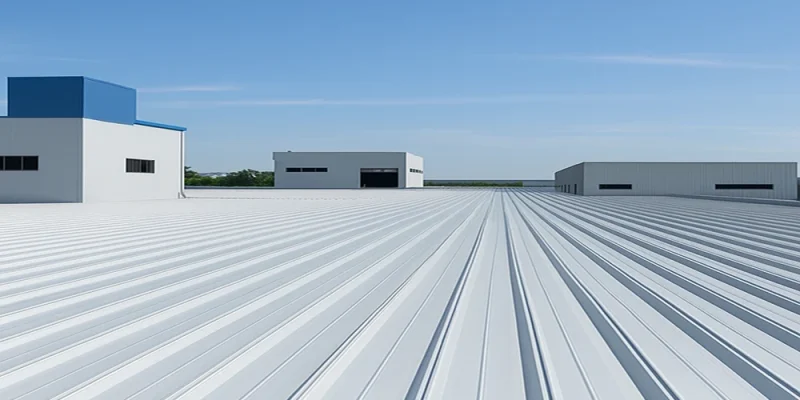
When there is water on a flat roof, the roof will not instantly fall apart. However, when water enters the roof, the process of decay begins quietly beneath the roof layer. The moisture in the roof insulation is not visible to the manager. The moist insulation does not work anymore and absorbs the water. Water will continuously damage all things that it meets, causing metals to oxidize, wood to deteriorate, and concrete to erode from the inside.
To comprehend the damage done by water on the insulation and structure of the building, it is essential to know the route taken by water through the roof layers. Understanding the route that water takes helps prevent water damage to the structure of the building and its insulation.
The Hidden Mechanism: How Trapped Moisture Destroys Insulation First
Insulation is used in commercial flat roofs and low-slope roofs. The most popular types are polyisocyanurate (polyiso), expanded polystyrene (EPS), and mineral wool. These materials help maintain the required indoor temperature. However, if there is an opening in the membrane or flashing, or a failure in the seams, water may enter the roof system and reach the insulation materials. Understanding where moisture can accumulate helps identify where go here fits within the roof inspection and maintenance process.
Water trapped between the waterproof surface and the vapor barrier or roof has no easy way to escape, as limited airflow prevents it from evaporating naturally.
This wetness that stays can cause three types of damage:
- Reduced Effectiveness of Insulation (Lower R-Value): The ability of water to conduct heat is better than that of air. If the insulation is wet, then it becomes less effective. This means that the HVAC system will work harder to maintain the needed temperature.
- Decreased Roof Structural Integrity: The moist insulation is not very strong. One will create indentations when walking on the roof, as well as water puddles.
Advanced Detection: Uncovering Wet Substrates Before Failure
Wet insulation stays out of sight under the roof. You cannot spot it just by looking. People who run and take care of the building use tests that do not harm anything. These tests help them see water that is under the surface.
- Infrared Thermography (Thermal Imaging): Wet insulation holds heat better than dry insulation. Conducting infrared testing immediately after sunset indicates warm and cool areas, thus allowing you to locate wet insulation.
- Nuclear Moisture Meter: This testing involves sending neutrons through the roof and counting the resulting hydrogen atoms. Large readings indicate the presence of water. Quantifiable moisture content in various layers is provided.
- Electrical Capacitance Test: This procedure measures the capability of the roof to store electrical charge. High readings indicate high moisture content in non-conducting components of the roof.
Repair vs. Replacement: Strategic Capital Planning
You need to fix problems with wet insulation right away. At the same time, think about how to keep your things in good shape for a long time.
- Localized Wet-Vac and Patching: Should your test reveal that 15-20% of your roof has wet insulation, you can remove this section and put in new boards. You will prolong the life of your roof and save some money as well.
- Full Removal and Core Replacement: When you find out that more than 25-30% of the roof is soaked with water, it means that the water has penetrated many spots. Covering it up with new boards only will contain moisture, and this may cause deck deterioration. The warranty would not apply, and you would have to remove everything down to the deck.
Doing regular infrared scans and fast leak checks can find small tears in the membrane. These tears can turn into big problems on the deck if you do not fix them. You need to go here keep your roof safe from water damage inside. This will help your building work well, stay safe, and give you more value for your money.


Comments