
 By
By 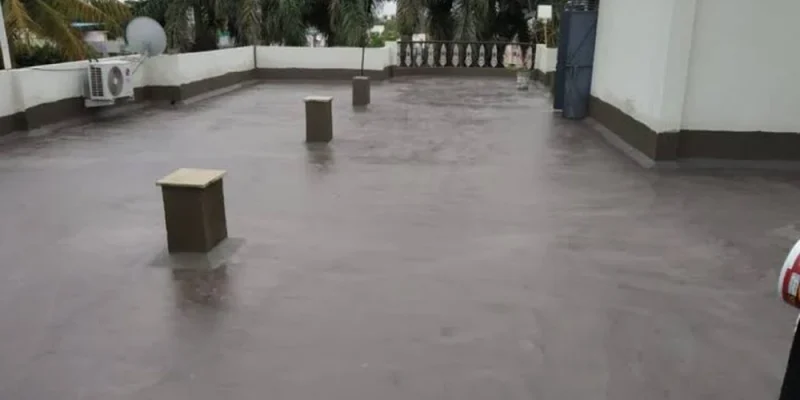
Many property owners assume a flat roof is simply a pitched roof without the slope, when in reality it behaves quite differently under Singapore’s rainfall and needs a distinct approach to keep it watertight. Because water sits and pools rather than running straight off, flat roof waterproofing Singapore work has to account for standing water, thermal movement, and membrane ageing in ways a sloped roof rarely does. Understanding these basics before a problem appears puts an owner in a far stronger position when maintenance or repair eventually becomes necessary.
Why Flat Roofs Behave Differently From Pitched Roofs
A pitched roof sheds water quickly by gravity, while a flat roof relies almost entirely on a waterproofing membrane and a slight built-in fall to drain water toward outlets. Any weakness in that membrane, or any low spot where water collects instead of draining, becomes a direct path for leaks. This is why flat roof performance depends so heavily on the quality of the waterproofing system rather than the roof’s basic shape.
Common Materials Used in Singapore’s Climate
Torch-on membranes, liquid-applied coatings, and PU-based systems are all commonly used locally, each with different tolerances for UV exposure, ponding water, and thermal expansion. Singapore’s combination of intense sun and heavy rainfall makes UV stability and flexibility particularly important, since a membrane that becomes brittle under sun exposure is far more likely to crack once temperatures swing during a downpour. Choosing the right material for the specific roof, rather than whichever is cheapest or most familiar to the installer, makes a measurable difference to how long the system actually lasts.
How Long a Waterproofing System Should Last
A properly installed system on a well-maintained roof typically lasts a decade or more, though actual lifespan depends heavily on foot traffic, ponding, and how promptly early signs of wear are addressed. Owners who treat waterproofing as a one-time installation rather than an asset needing periodic inspection often find the system fails well before its theoretical lifespan is reached, sometimes within just a few years of otherwise sound installation.
Early Warning Signs Worth Watching For
Damp patches on ceilings below the roof, blistering or bubbling on the membrane surface, and water pooling for more than a day or two after rain are all signs that a system is beginning to fail. Catching these signs early usually means a targeted repair rather than a full re-waterproofing, which makes routine visual checks after heavy rain a genuinely useful habit, particularly during the wetter months when problems tend to surface fastest.
The Role of Drainage in Preventing Failure
Even the best membrane struggles if drainage outlets are blocked by debris, since standing water left in contact with any weak point for extended periods accelerates failure considerably. Property owners investing in flat roof waterproofing Singapore work often overlook that keeping drains clear afterward is just as important as the quality of the original installation.
Cost Factors That Influence a Waterproofing Quote
Roof area, the extent of existing damage, the number of penetrations needing detailed work, and the chosen membrane type all affect the final quote considerably. A roof with many pipes, vents, or plant equipment mounted on it typically costs more to waterproof properly than an equivalent open area, simply because detailing around each penetration takes more time and material to get right.
Maintenance Routines That Extend System Life
Clearing debris from drains, checking for early cracking after major temperature swings, and avoiding unnecessary foot traffic on the membrane all help extend a system’s working life. A simple twice-yearly inspection routine, timed around the monsoon seasons, catches most developing issues before they progress into active leaks requiring more invasive repair, and it costs far less than dealing with water damage after the fact.
When Repair Is Enough Versus When to Re-Waterproof
Localised damage confined to a small area can often be patched without disturbing the surrounding membrane, provided the rest of the system is still sound. Widespread cracking, multiple leak points, or a membrane well past its expected lifespan generally points toward full re-waterproofing being the more cost-effective option over repeated patch repairs that only address symptoms rather than the underlying cause.
What a Proper Installation Actually Involves
Beyond simply applying a membrane, proper installation includes surface preparation, priming, correct detailing around penetrations such as pipes and vents, and verifying adequate fall toward drainage points. Skipping any of these steps to save time or cost is a common cause of premature failure, even when the membrane material itself is of good quality and would otherwise have performed reliably for years.
Bringing It Together as a Property Owner
Treating the roof as a system that needs periodic attention, rather than a fixed installation to forget about once complete, is what separates properties that avoid major leak damage from those that end up with costly interior repairs. Approaching flat roof waterproofing Singapore with this mindset from the outset consistently produces better long-term outcomes than reacting only once a leak has already appeared.




Comments