
 By
By 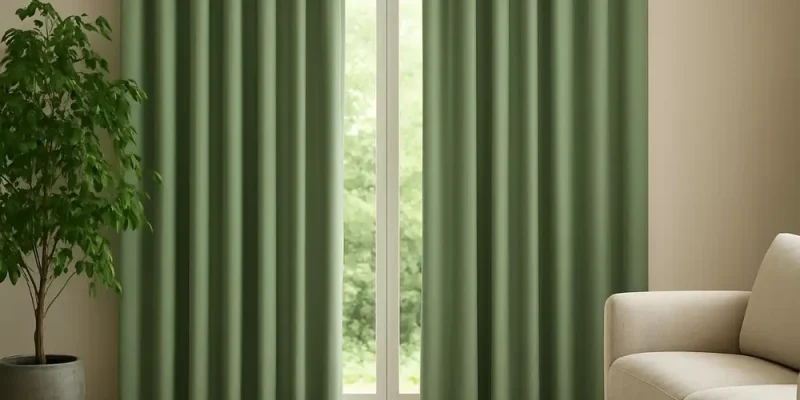
Many homeowners assume that any heavy curtain will cut down street noise almost as well as double glazing, but weight alone is not what makes a fabric effective against sound. Ordinary drapery reflects some high-frequency noise while letting mid and low frequencies, the hum of traffic and the drone of aircon compressors, pass through largely untouched. acoustic curtains are engineered specifically to absorb across that fuller range, which is why the difference is far more noticeable in practice than a simple thickness comparison would suggest.
What Acoustic Curtains Actually Do
Sound reduction fabric works by absorbing acoustic energy rather than simply blocking it, converting vibration into small amounts of heat within a dense, often multi-layered weave. This matters because reflection alone can make a room feel louder, bouncing noise back into the space instead of removing it. A well-made acoustic curtain reduces both the noise entering from outside and the echo bouncing around a hard-surfaced room. The effect is cumulative rather than instant, becoming most apparent once the fabric has been in place for a few days and the household adjusts to the quieter baseline.
How They Differ From Ordinary Blackout Curtains
Blackout curtains are engineered to stop light using an opaque backing layer, which has little bearing on sound absorption. Acoustic fabrics instead rely on density, layered construction and sometimes a suspended mass-loaded lining that specifically targets sound waves. A curtain can block light completely while doing almost nothing for noise, so the two properties should never be assumed to travel together.
Where Noise Reduction Matters Most in a Home
Bedrooms facing busy roads, home offices near shared corridors, and living rooms adjoining lift lobbies tend to benefit most, since these are spaces where consistent background noise disrupts sleep or concentration over time. Units on lower floors near main roads or close to construction sites see the most dramatic difference, simply because the ambient noise level they are contending with is higher to begin with. Corner units with windows on two sides facing traffic often need coverage on both elevations rather than treating one window as sufficient.
What to Look for in Fabric Weight and Weave
Fabric weight, typically measured in grams per square metre, correlates closely with absorption performance, but weave density matters just as much. A tightly woven, heavier fabric traps more airborne sound than a loosely woven one of similar weight. Multi-layered constructions, which pair a dense outer face with a softer absorptive backing, generally outperform single-layer heavy fabrics of the same overall thickness.
Installation Details That Affect Performance
Coverage matters as much as fabric choice: curtains that extend well beyond the window frame on all sides, with minimal gaps at the top and along the floor, perform noticeably better than a tightly fitted panel. Sound leaks through gaps the same way draughts do, so a soundproof curtain fitted with proper overlap and sealing will outperform an identical fabric hung with narrow clearance.
Common Misconceptions About Soundproofing Fabric
No curtain will make a room silent, and claims suggesting near-total noise elimination should be treated with scepticism, since fabric alone cannot match the performance of structural interventions like double glazing or wall insulation. What a good acoustic curtain delivers is a meaningful reduction, often noticeable within the first night, rather than complete removal of external sound. Marketing figures quoting decibel reductions are also worth reading carefully, since the testing conditions behind them rarely match a real bedroom with an open window gap.
Combining Curtains With Other Noise Solutions
For rooms with particularly persistent noise, pairing acoustic curtains with door seals, secondary glazing film, or acoustic panels on adjoining walls compounds the effect far more than any single measure alone. Curtains are also the easiest and least invasive of these options to add later, which makes them a sensible first step before committing to structural changes. Testing the curtain alone for a week or two before adding further treatments helps identify which noise source is actually driving the discomfort.
Maintenance and Longevity Considerations
Dense acoustic fabrics collect dust in their weave more readily than lightweight sheers, so periodic vacuuming with a soft brush attachment helps maintain both appearance and performance. Most are not machine washable given their layered construction, so check care instructions before purchase if low-maintenance cleaning is a priority for the household. Professional dry cleaning every year or two is usually enough to keep the fabric performing as intended without compressing its absorptive layers.
Cost Versus Expected Noise Reduction
Acoustic curtains typically cost more than standard drapery of similar size, reflecting the denser materials and layered construction involved, but they remain considerably cheaper than secondary glazing or wall treatments. For anyone unsure whether noise is worth addressing structurally, curtains offer a lower-commitment way to test how much difference sound absorption actually makes to daily comfort.
Choosing the Right Option for Your Space
Match the fabric to the specific noise problem: persistent low-frequency traffic rumble calls for denser, multi-layered options, while intermittent higher-pitched noise from corridors may be handled by a lighter acoustic weave. Measure the window generously to allow for full-width coverage, since undersized panels undercut even the best fabric. Choosing acoustic curtains sized and fitted correctly for the room tends to deliver a far more noticeable improvement than fabric quality alone.








Comments