
 By
By 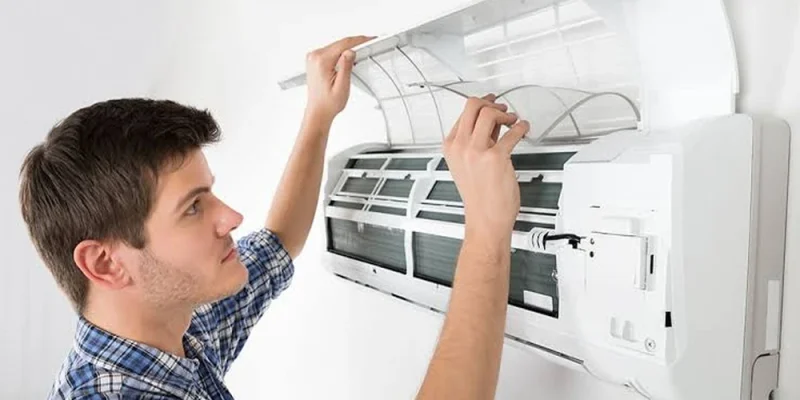
Poor airflow can make even a well-functioning HVAC system feel ineffective. If some rooms in your home stay warmer than others or your system seems to run constantly without keeping you comfortable, the problem may not be the equipment itself. Before considering a costly replacement, it’s worth learning how simple maintenance and targeted improvements can restore performance. Homeowners looking into air conditioning for Panama City often discover that improving airflow is one of the most effective ways to boost comfort without replacing their entire system.
Good airflow allows heated or cooled air to move efficiently throughout your home, helping maintain consistent temperatures while reducing unnecessary strain on your HVAC system. With a few practical adjustments, you can improve efficiency, lower energy use, and extend the life of your equipment.
Why Proper Airflow Matters
Your HVAC system relies on balanced airflow to distribute conditioned air evenly throughout your home. When airflow becomes restricted, the system has to work harder to achieve the desired temperature. This extra effort can increase energy consumption, reduce comfort, and accelerate wear on important components.
Restricted airflow can also create uneven temperatures between rooms, increase humidity levels, and make your HVAC system cycle more frequently than necessary. Fortunately, many airflow issues have straightforward solutions that don’t require replacing the entire unit.
Replace Your Air Filter Regularly
One of the most common causes of poor airflow is a dirty air filter. As filters collect dust, pet hair, pollen, and other airborne particles, they gradually become clogged, making it harder for air to move through the system.
Replacing your filter regularly is one of the simplest ways to improve airflow and help your HVAC system operate more efficiently. Most disposable filters should be checked monthly and replaced every one to three months, depending on household conditions such as pets, allergies, or heavy system use.
A clean filter not only improves airflow but also supports healthier indoor air quality.
Keep Vents and Registers Unobstructed
Even if your HVAC system is operating properly, blocked vents can significantly reduce airflow.
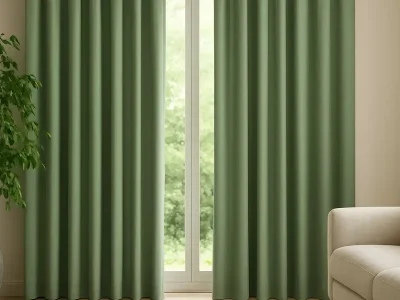
Walk through your home and inspect every supply and return vent. Furniture, curtains, rugs, or storage boxes can easily block air circulation without homeowners realizing it. Moving these obstacles away from vents allows conditioned air to circulate more freely.
It’s also important to avoid closing vents in unused rooms. While this may seem like a way to save energy, it can actually increase pressure inside the ductwork and reduce the system’s overall efficiency.
Inspect Your Ductwork
Your duct system delivers heated and cooled air throughout the home. If the ducts have leaks, loose connections, or accumulated debris, a significant amount of conditioned air may never reach its destination.
Some common signs of ductwork issues include:
- Weak airflow from certain vents
- Rooms that never reach the desired temperature
- Increased dust throughout the home
- Higher-than-normal utility bills
- Whistling or rattling sounds when the HVAC system is running
Professional duct sealing or repairs can often improve airflow while reducing wasted energy. In older homes, inspecting ductwork is especially worthwhile since small leaks may develop over time.
Use Ceiling Fans to Improve Air Circulation
Ceiling fans work alongside your HVAC system by helping distribute air more evenly throughout each room.
During the summer, ceiling fans should rotate counterclockwise to create a cooling breeze. In colder months, reversing the direction helps circulate warm air that naturally rises toward the ceiling.
Although ceiling fans don’t actually lower the air temperature, they improve comfort and allow your HVAC system to work more efficiently.
Keep Interior Air Moving
Airflow isn’t affected only by your HVAC equipment. The layout of your home also plays a role.
Closed interior doors can prevent air from circulating properly between rooms, creating pressure imbalances that affect system performance. Keeping doors open whenever practical allows air to move more freely throughout the home.
Similarly, avoid placing large furniture directly in front of supply vents. Even partially blocked vents can reduce airflow enough to affect overall comfort.
Schedule Routine HVAC Maintenance
Regular maintenance helps ensure every component of your HVAC system is working as intended.
During a professional service visit, technicians typically inspect and clean important parts, including the blower motor, evaporator coil, condensate drain, and electrical connections. They also check airflow, identify worn components, and address small issues before they become expensive repairs.
Annual maintenance not only improves efficiency but also helps extend the life of your heating and cooling system.
Affordable Ways to Improve Airflow
Improving airflow doesn’t always require major upgrades. Several small improvements can make a noticeable difference in your home’s comfort.
Consider these practical solutions:
- Replace air filters on schedule.
- Keep supply and return vents clean and open.
- Seal air leaks around windows and doors.
- Add attic insulation to reduce heat transfer.
- Use ceiling fans to improve circulation.
- Rearrange furniture blocking vents.
- Schedule professional HVAC tune-ups each year.
- Have ductwork inspected if airflow remains uneven.
Combining several of these improvements often produces better results than relying on just one solution.
Know When It’s Time to Call a Professional
Some airflow issues go beyond routine maintenance. If you’ve replaced filters, cleared vents, and completed basic upkeep but still notice uneven temperatures or weak airflow, professional evaluation may be necessary.
Problems involving blower motors, damaged ductwork, improperly sized HVAC systems, or clogged evaporator coils require specialized equipment and expertise to diagnose accurately.
A qualified HVAC technician can identify the underlying issue and recommend targeted repairs that improve performance without automatically suggesting a complete system replacement.
Conclusion
Improving airflow is one of the most effective ways to increase comfort and efficiency without replacing your entire HVAC system. Simple steps like changing air filters, keeping vents clear, maintaining ductwork, and scheduling regular service can dramatically improve how your system performs.
By addressing airflow problems early, homeowners can reduce energy costs, maintain more consistent indoor temperatures, and help their HVAC equipment last longer. Before investing in a new system, it’s worth exploring these practical solutions, as they often provide noticeable improvements with far less expense.
======================================================================




Comments