
 By

Green spaces have become an important part of modern residential planning. As cities expand and population density increases, open areas, gardens and landscaped surroundings can provide residents with places to relax and spend time outdoors. These spaces may also support environmental balance and improve the overall appearance of a neighbourhood. When examining locations such as The Ridge Shimla, buyers should consider the natural surroundings, available open spaces, local environmental conditions and development regulations.
1. Why Green Spaces Matter
Green spaces include parks, gardens, landscaped areas, tree-lined pathways and other open areas with vegetation. They provide places where residents can walk, exercise, relax or spend time with family members.
In residential communities, these spaces can create opportunities for outdoor activities without requiring residents to travel to distant public parks. Their usefulness depends on accessibility, maintenance and the way they are planned.
A well-maintained green area can also make a neighbourhood feel more organised and comfortable. However, buyers should distinguish between usable open spaces and decorative landscaping.
2. Supporting Physical Activity
Parks and walking paths can encourage residents to include physical activity in their daily routines. Open spaces may be used for walking, jogging, stretching, cycling and other recreational activities.
Children can benefit from safe outdoor play areas, while older residents may prefer seating areas and accessible walking paths.
The design of these spaces is important. Pathway surfaces, lighting, seating, accessibility and safety arrangements can influence how frequently residents use them.
3. Providing Spaces for Social Interaction
Green spaces can support interaction among residents. Community gardens, seating areas and shared lawns may provide informal places for neighbours to meet and communicate.
Such spaces can be useful for families, children and senior citizens. They may also support small community activities, depending on the rules of the residential development.
A planned open area can therefore serve more than one purpose. It can function as a recreational space and a shared community environment.
4. Supporting Environmental Balance
Vegetation can contribute to environmental quality in residential areas. Trees and plants provide shade, support biodiversity and help manage rainwater when appropriately planned.
Green areas can also reduce the amount of hard paved surface in a development. This may help rainwater enter the ground, depending on soil conditions and drainage design.
However, landscaping alone cannot solve larger environmental problems. Proper waste management, sewage treatment, water conservation and pollution control are also necessary for responsible development.
5. Green Spaces and Local Climate
Trees and vegetation can influence the immediate surroundings by providing shade and reducing direct exposure to sunlight. This may make outdoor areas more comfortable during warmer periods.
The selection of plants should suit the local climate, soil and water availability. Native and climate-appropriate species may require less maintenance when compared with unsuitable ornamental plants.
In locations with different terrain and weather conditions, landscape planning should consider drainage, slope stability and local environmental rules.
6. Integrating Nature into Residential Planning
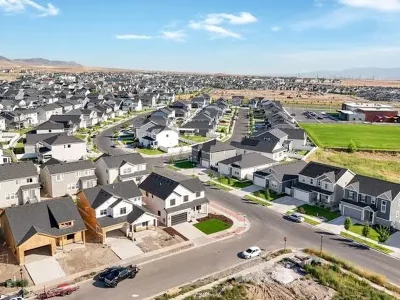
Modern residential planning often includes a combination of open lawns, gardens, walking tracks, children’s play areas and landscaped seating zones.
The placement of these spaces should be practical. A green area that is difficult to access or located away from residential buildings may receive limited use.
Buyers should check the actual layout and understand whether the open spaces are part of the approved plan. They should also confirm which areas are private, shared or publicly accessible.
7. Maintenance and Long-Term Usability
Green spaces require regular care. Watering, pruning, cleaning, pest control and maintenance of pathways are necessary to keep them usable.
Buyers should understand who will manage these areas after the development is completed. In a residential community, maintenance responsibilities may be handled by a developer, association or appointed facility management team.
Maintenance costs and responsibilities should be reviewed before purchase. A large landscaped area may look attractive initially, but its long-term usefulness depends on proper upkeep.
8. Evaluating Green Spaces in Developing Locations
Green surroundings can be an important consideration when comparing residential developments. Buyers should assess the amount of usable open space, the quality of landscaping and the availability of nearby natural areas.
For example, people researching india’s wellness capital should understand how the proposed open spaces are planned, what facilities are actually available and how the surrounding environment is being managed. They should also check whether any environmental restrictions apply to the land.
9. Balancing Construction and Open Areas
Responsible residential planning should balance built-up areas with open spaces. Excessive construction may reduce natural areas, while poorly planned open spaces may remain unused.
The layout should consider pedestrian movement, vehicle access, drainage, safety and the needs of different age groups.
Buyers interested in hiranandani plots alibaug should also evaluate the natural surroundings, approved layout, open-space provisions and maintenance arrangements. The actual conditions should be compared with the project’s official documents.
Conclusion
Green spaces can support healthier outdoor habits, social interaction and environmental balance in residential communities. Their value depends on proper planning, accessibility and long-term maintenance. Buyers should examine approved layouts, landscaping details and maintenance responsibilities before selecting a property. A balanced approach to construction and open areas can contribute to more comfortable and organised residential environments.



Comments