
 By
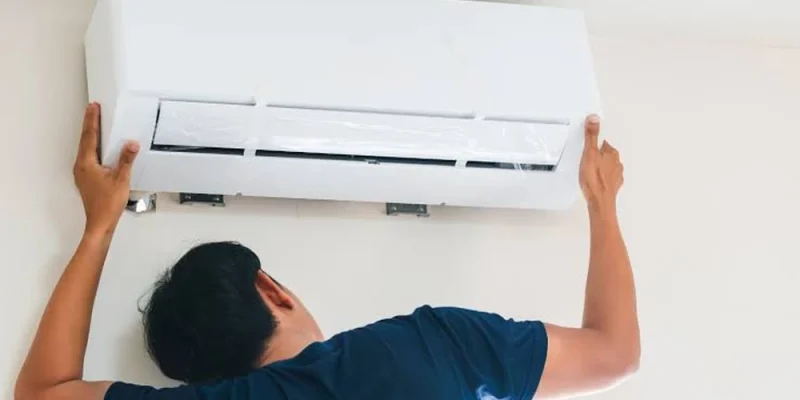
Three quotes for a new central air conditioner can land in your inbox and look almost identical. Each lists a tonnage, a brand, an efficiency number and a price, and the temptation is to pick the cheapest or the one with the most familiar logo. What those one page summaries rarely show are the smaller choices underneath, and those choices decide whether the system runs quietly for fifteen years or fights the house every July afternoon.
One review on lifestylehvac.com describes a 21 year old unit that quit and a newly recommended system running two days later, which is a fair picture of how fast these decisions can arrive once the old equipment gives out. That kind of Aurora air conditioning work sits beside the shop’s repair calls, seasonal tune ups and financing on larger installs, all run from its base off South Eagle Street. Whoever you hire, it helps to know the five calls being made on your behalf, so you can ask about each one before signing.
Bigger Is the Most Expensive Mistake
Sizing comes first because everything else depends on it. The old shortcut of one ton for every 500 or 600 square feet ignores the things that really drive cooling load, such as window area, which way the house faces, attic insulation, air leakage and the number of people living inside.
A proper load calculation, known in the trade as Manual J, accounts for all of that, and Colorado State University Extension’s Live Smart Colorado guidance on home cooling specifically advises homeowners to make sure their contractor performs one. At Front Range elevations the thinner air also nudges real world capacity down slightly, which is one more reason to calculate instead of guess.
An oversized unit feels powerful for the first week and then starts showing its flaws.
- It reaches the thermostat setting fast and shuts off, so rooms far from the thermostat stay warm.
- Frequent starts wear the compressor and contactor faster than long, steady run times.
- Short cycles move less air through the filter, which matters during smoky wildfire weeks.
- The bigger unit simply costs more up front and draws more power at every start.
If a quote names a size without anyone measuring windows or peeking into the attic, that is worth questioning.
Reading the Sticker Beyond the Big Number
Efficiency ratings changed a few years ago. Equipment is now labeled with SEER2, a figure tested under conditions closer to how ducted systems actually perform, so it reads a bit lower than the older SEER numbers for the same machine. Colorado falls in the federal northern region, where the floor for a standard split air conditioner is 13.4 SEER2.
A second rating, EER2, gets less attention but tells you more about hot afternoons. SEER2 averages performance across a season, while EER2 measures it at a steady 95 degrees outdoors. On a Front Range summer that regularly climbs into the 90s, a strong EER2 is what keeps your bill sane in late July.
Then comes the compressor style. Single stage units run flat out or not at all. Two stage units loaf along on a lower setting most of the day and ramp up only when needed. Variable speed inverter models adjust in small steps and run almost silently. Because Colorado air is dry, the dehumidifying advantage that sells these systems in Houston matters less here, yet the steadier temperatures and quieter operation are still noticeable, especially in two story homes where the upstairs bakes.
The Coil and Copper You Never See
The outdoor unit gets all the attention, but it is only half the system. Inside, usually sitting on top of the furnace, an evaporator coil does the actual cooling, and it has to be rated as a matched pair with the outdoor unit to deliver the efficiency printed on the brochure. Keeping an old coil to save money can quietly cancel much of what you paid for.
Refrigerant is part of this story too. New residential systems now ship with lower impact refrigerants such as R-454B or R-32 in place of the long familiar R-410A. These newer blends are classified as mildly flammable, which brings updated installation practices and leak detection requirements. It also means the copper line set running between the units deserves a hard look. Depending on its age, size and condition, an installer may flush and reuse it or replace it entirely, and a good quote spells out which.
The furnace blower matters as well, since it pushes all the cooled air. An older furnace with a basic motor may not support the airflow a high efficiency outdoor unit expects, and that mismatch shows up as weak cooling and frozen coils.
Cooling Only or Cooling Plus
Before choosing a straight air conditioner, it is worth asking whether something else fits better. A heat pump looks and installs almost exactly like a central AC but also runs in reverse during winter, carrying much of the heating load on mild days. Front Range winters, with their sunny afternoons and short cold snaps, suit that arrangement well, and many homes keep the gas furnace as backup for the deep cold.
Evaporative coolers deserve a mention too. They use far less electricity than refrigerant based systems and perform well in Colorado’s dry air, though they need more regular upkeep, consume water and lose effectiveness on the muggier monsoon days of late summer. Some households pair one with a small mini split for the hottest rooms.
Placement and the Last Hour of the Job
Where the condenser sits affects how hard it works. Units baking against a west facing wall all afternoon, tucked under a deck with little airflow or parked beside a dryer vent that coats the coil with lint all run warmer and less efficiently. Hail is another local factor, and an open spot on the north or east side, with room to add a protective guard, usually serves better. Keep bedroom windows in mind as well, since even quiet compressors hum at night.
The final hour of installation separates average work from excellent work. Careful installers braze copper with nitrogen flowing through the lines to prevent internal scale, pull a deep vacuum to remove moisture and confirm the refrigerant charge by measuring superheat and subcooling rather than trusting factory amounts. Most Front Range cities require a mechanical permit for equipment replacement, so ask whether the job will end with an inspection on the calendar.
Comparing Quotes With Clear Eyes
Once you know what sits beneath the summary page, those three quotes stop looking identical. One may include a new coil and line set while another quietly reuses both. One may be based on a measured load while another simply copies the size of the old unit. Asking each contractor to explain their sizing, their equipment match, the refrigerant and line set plan and their commissioning steps turns a confusing price comparison into a clear one. The cheapest number on paper rarely stays the cheapest once the first few summers have passed.






Comments