
 By
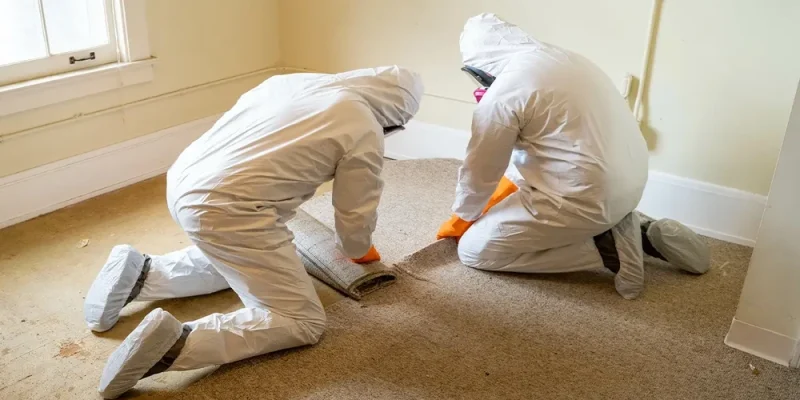
Almost everyone reaches for the same two things after something terrible happens inside a home. A bottle of bleach comes out from under the sink, a bucket fills in the tub, and the goal becomes making the room look normal again as fast as possible. It’s an understandable instinct, born from wanting to protect the people in the house and to stop seeing what happened.
The trouble is that looking clean and being safe are separate outcomes. Blood, bodily fluids, sewage, drug residue and rodent waste behave in ways a household routine was never built for. What gets wiped away on the surface is often the smallest part of the problem.
Calls for St Paul biohazard cleanup reach a Roseville restoration team that has worked homes and businesses across the Twin Cities since 2009. Its crews answer at any hour and handle the full arc of a loss, from removing contaminated material and disinfecting through to rebuilding floors and walls when they have to come out. The company holds IICRC and EPA affiliations, and that matters on jobs where the cleanup and the repairs cannot be separated.
The Chemistry Working Against Your Bucket
Bleach is a strong disinfectant, but it has a weakness most people never hear about. Organic matter like blood and tissue uses up the active chlorine quickly, so a splash of bleach poured onto a stain may be neutralized before it reaches the pathogens underneath. Disinfectants also need contact time. Most products list a wet dwell time on the label, sometimes ten minutes or more, and a quick wipe rarely comes close.
Professionals separate cleaning from disinfecting. They remove the gross contamination first with enzyme cleaners and absorbents, then apply hospital-grade disinfectants that stay wet for the full time the manufacturer requires. Mixing products at home adds another risk, because bleach combined with ammonia-based cleaners or acids releases toxic gases in small rooms.
Surfaces That Swallow What You Can’t See
Fluids travel down and outward the moment they land. Here is where they tend to go in a typical home.
Carpet acts like a sponge. Blood that looks like a dinner-plate stain on top often spreads into a much wider ring in the pad and stains the subfloor below.
Hardwood and laminate have seams. Liquids slip between boards and settle on the plywood underneath, where they sit unseen and later produce odor.
Drywall wicks fluid upward from the baseboard, so a wall that looks fine at eye level may be contaminated a few inches above the floor.
Mattresses and upholstered furniture almost never come back from heavy contamination. The foam holds fluid deep inside where no disinfectant can reach.
Tile grout and concrete are porous too. Grout lines can hold residue long after the tile itself shines.
This is why crews cut out material well beyond the visible edge. They follow the contamination with their eyes, their noses and sometimes testing tools, and they keep removing until clean material shows on every side.
Your Own Body Is the First Thing at Risk
Bloodborne pathogens such as hepatitis B, hepatitis C and HIV can be present in fluids at a scene, and hepatitis B in particular can survive on surfaces for days. Workers who face this exposure are covered by federal bloodborne pathogen rules that require training, protective gear and vaccination offers. A homeowner in rubber kitchen gloves has none of that protection.
Rodent droppings bring a different danger. Deer mice in Minnesota can carry hantavirus, which spreads when dried droppings are swept or vacuumed into the air. Sewage from a backed-up floor drain carries bacteria and viruses that soak into drywall and carpet. Even a cleanup that seems minor can mean breathing or touching something that should never have been handled without a respirator, goggles and a protective suit.
How a Trained Crew Moves Through a Scene
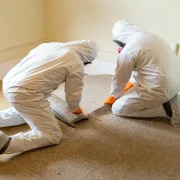
Professional work follows an order that keeps contamination from spreading to clean parts of the home.
- The area is assessed and sealed off, often with plastic sheeting and a controlled entry point.
- Technicians put on protective equipment before stepping inside.
- Gross contamination is removed and bagged in marked biohazard containers.
- Affected porous materials are cut out beyond the visible stain line.
- Remaining surfaces are cleaned, then disinfected with the full required dwell time.
- Odor is treated at its source, sometimes with sealing primers on subfloors and framing.
- The space is checked again before anyone moves back in.
Disposal is part of the job too. Bagged waste goes through regulated handling rather than the curbside bin, and that chain of custody is something a family has no easy way to manage on its own.
Drug Residue Plays by Its Own Rules
Former drug labs sit in a category by themselves. In Minnesota, meth labs are treated as public health nuisances, and a county, local health department or sheriff can order a property cleaned before anyone lives there again. The Minnesota Department of Health’s meth lab resources page explains how that process works and points to the federal cleanup guidance contractors follow. Residue from manufacturing and heavy use soaks into walls, ductwork and fabrics, so this kind of work involves sampling and documentation that household cleaning simply cannot provide.
The Part Nobody Talks About
Some scenes carry a weight that has nothing to do with chemistry. After an unattended death, a suicide or a violent crime, the people left behind are often the ones who find the room. Asking a grieving spouse or a parent to scrub that space can leave a lasting mark, and many families later say they wish someone had stopped them.
Practical details often feel like too much in those first days. Police must release a scene before cleaning can begin. Many homeowners policies cover this work under sudden and accidental losses, and Minnesota’s crime victim reparations program can help with cleanup costs in some criminal cases. Landlords, property managers and business owners face their own questions about tenant notice and liability. Having someone handle the physical work while the family deals with everything else is often the most humane choice available.
Knowing When the Bucket Stays Under the Sink
There is a place for household cleaning. A small nosebleed on a bathroom tile or a pet accident on a sealed floor is well within reach of a careful person with gloves and a proper disinfectant. The line shifts once fluids reach carpet, mattresses or wood, once the amount goes beyond what a few paper towels can absorb, or once the source involves a death, sewage, drugs or rodents. At that point the honest answer to whether bleach and a mop can do the job is no, and recognizing that early protects both the home and the people who have to keep living in it.






Comments