
 By
By 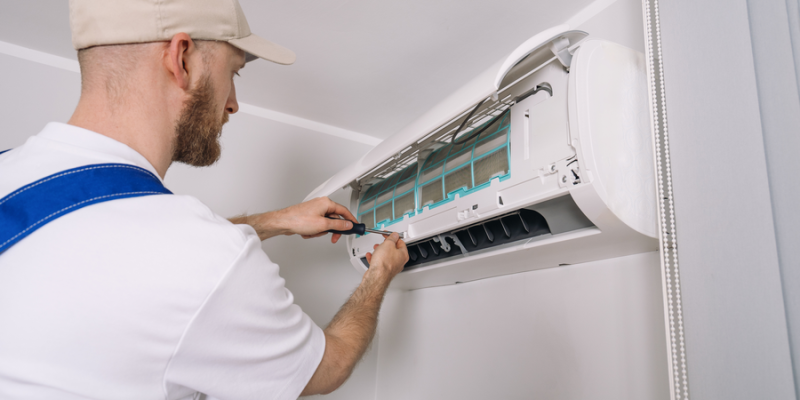
The quality of the air inside your home has a direct impact on your comfort, health, and overall well-being, yet many homeowners underestimate the role their HVAC system plays in maintaining a clean indoor environment. While dusting, vacuuming, and air purifiers can help, your heating and cooling system is responsible for continuously circulating the air you breathe every day. Homeowners looking for reliable HVAC Roswell, NM services understand that proper system maintenance is one of the most effective ways to improve indoor air quality, reduce airborne allergens, and enhance energy efficiency.
A well-maintained HVAC system filters contaminants, controls humidity, and promotes healthy airflow throughout your home. Whether your goal is cleaner air, lower utility bills, or a more comfortable living space, understanding how your HVAC system affects indoor air quality is essential for protecting your home and your family’s health year-round.
Your HVAC System Does More Than Control Temperature
Most homeowners think of an HVAC system as something that simply heats or cools a home. In reality, it performs several important functions at the same time.
As air moves through your home, it passes through filters, ductwork, and various system components before being redistributed. During this process, the system helps regulate:
- Air temperature
- Humidity levels
- Air circulation
- Filtration of airborne particles
Because your HVAC system is responsible for moving nearly all of the air inside your home, its condition directly impacts the quality of that air.
Air Filters Are Your First Line of Defense
One of the simplest yet most important components of an HVAC system is the air filter. Every time the system runs, the filter captures airborne particles before they circulate throughout the house.
A clean filter can help reduce:
- Dust
- Pollen
- Pet dander
- Mold spores
- Lint
- Other airborne debris
However, filters lose effectiveness as they become clogged. A dirty filter not only reduces air quality but also restricts airflow, forcing the system to work harder than necessary. This added strain may increase energy consumption and shorten the lifespan of HVAC equipment.
Replacing filters according to the manufacturer’s recommendations is one of the easiest ways to improve indoor air quality.
Dirty Ductwork Can Spread Contaminants
Your duct system acts as the delivery network for conditioned air. If dust, debris, or mold accumulate inside the ducts, those contaminants can be distributed throughout every room each time the system operates.
Although duct cleaning is not required on a fixed schedule for every home, certain situations may warrant a professional inspection, including:
- Recent remodeling projects
- Water damage
- Visible mold growth
- Pest infestations
- Excessive dust throughout the home
Keeping ducts in good condition helps maintain cleaner airflow while supporting overall HVAC efficiency.
Humidity Plays a Bigger Role Than Most People Realize
Indoor air quality isn’t only about dust and allergens. Humidity levels have a significant impact on comfort and health as well.
Air that is too humid may encourage mold growth, dust mites, and musty odors. Excess moisture can also damage wood flooring, furniture, and other building materials over time.
On the other hand, overly dry air can lead to:
- Dry skin
- Irritated sinuses
- Sore throats
- Static electricity
- Cracked wood furniture
A properly functioning HVAC system helps regulate indoor humidity, creating a more balanced environment throughout the year.
Ventilation Is Essential for Fresh Indoor Air
Modern homes are designed to be energy efficient, which often means they are tightly sealed. While this improves heating and cooling performance, it also reduces natural airflow from outside.
Without proper ventilation, indoor pollutants can gradually accumulate.
Many HVAC systems incorporate ventilation strategies that help introduce fresh outdoor air while exhausting stale indoor air. In some homes, additional ventilation equipment may be recommended to improve overall indoor air quality.
Balanced ventilation allows your HVAC system to maintain comfort while reducing the buildup of airborne contaminants.
Routine Maintenance Makes a Noticeable Difference
Even high-quality HVAC equipment cannot maintain healthy indoor air if it isn’t serviced regularly.
Professional maintenance typically includes:
- Inspecting filters
- Cleaning system components
- Checking airflow
- Examining coils
- Inspecting blower assemblies
- Verifying overall system performance
These inspections help identify small issues before they become larger problems that affect both efficiency and indoor air quality.
Regular maintenance also helps ensure that the entire system continues operating as designed.
Signs Your HVAC System May Be Affecting Indoor Air Quality
Sometimes poor indoor air quality develops gradually, making it difficult to recognize the source. Fortunately, there are several warning signs homeowners can watch for.
You may want your HVAC system inspected if you notice:
- Persistent dust buildup
- Uneven airflow between rooms
- Musty or unusual odors
- Increased allergy symptoms indoors
- Excessive humidity
- Frequent filter clogging
While these symptoms don’t always indicate a major problem, they can suggest that the system requires cleaning, maintenance, or repairs.
Small Habits That Support Cleaner Indoor Air
Improving indoor air quality doesn’t always require expensive upgrades. Simple household habits can make a meaningful difference alongside a well-maintained HVAC system.
Helpful practices include:
- Replacing HVAC filters regularly
- Vacuuming with a HEPA-equipped vacuum
- Keeping air vents unobstructed
- Controlling indoor humidity
- Scheduling routine HVAC maintenance
- Using kitchen and bathroom exhaust fans
- Keeping windows open when outdoor conditions allow
Together, these habits reduce the amount of dust, moisture, and airborne particles circulating inside the home.
Conclusion
Indoor air quality is influenced by far more than cleaning routines or seasonal allergies. Your HVAC system continuously circulates the air you breathe, making it one of the most important factors in maintaining a healthy, comfortable home.
From filtration and humidity control to ventilation and airflow, every component works together to create a cleaner indoor environment. By changing filters regularly, scheduling routine maintenance, and addressing issues before they become serious, homeowners can enjoy fresher air while helping their heating and cooling system operate more efficiently. Investing in HVAC care is ultimately an investment in the comfort, health, and long-term performance of your home.









Comments