
 By
By 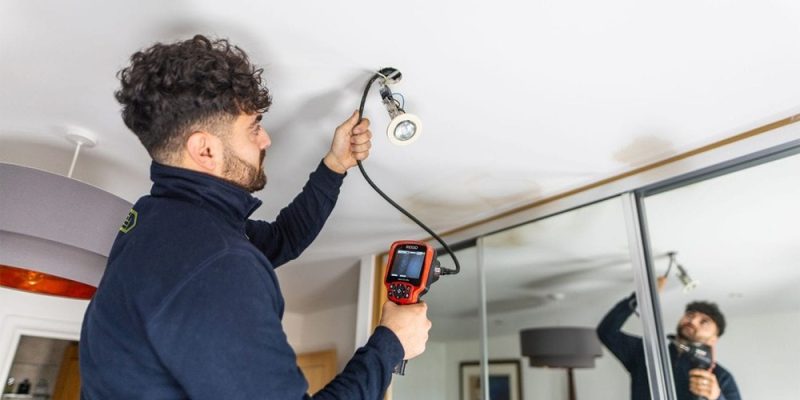
Ceiling leak detection is one of the most critical yet frequently overlooked aspects of property care in Singapore. A discoloured patch overhead or a faint dripping sound at night may not seem urgent, but these are signals that water is already travelling through your building’s structure. Left unaddressed, what begins as a minor nuisance can develop into a serious and expensive problem within weeks.
Why Ceiling Leaks Are So Common in Singapore
Singapore’s tropical climate creates the perfect conditions for water intrusion. Annual rainfall regularly surpasses 2,300 millimetres, and humidity levels hover near saturation for much of the year. These conditions put enormous stress on roofing membranes, pipe joints, and waterproofing layers throughout every building.
High-rise living adds another layer of complexity. In condominiums and HDB flats, the ceiling of one unit is the floor of another. A plumbing fault, a cracked shower tray, or deteriorated waterproofing in an upstairs bathroom can send water seeping downward without the upper-floor resident even noticing. By the time a stain appears on your ceiling, the leak may have been active for quite some time.
The Warning Signs You Should Never Ignore
Catching a leak early depends on knowing what to look for. Some indicators are obvious, while others require a more attentive eye. Watch for these common symptoms:
- Yellowish or brownish stains spreading across the ceiling
- Paint that is bubbling, peeling, or flaking in localised areas
- A persistent musty or damp odour in a particular room
- Small water droplets forming on the ceiling surface
- Visible sagging or soft spots when you press gently on the affected area
Any one of these signs warrants prompt investigation. The longer moisture sits within your ceiling structure, the greater the risk of mould colonisation, electrical hazards, and structural weakening.
How Professionals Detect Ceiling Leaks
Modern leak detection goes far beyond visual inspection. Professional ceiling leak detection specialists use a range of advanced tools to identify the precise source and pathway of water ingress. Thermal imaging cameras reveal temperature differences caused by hidden moisture, while moisture meters provide quantitative readings of dampness levels within walls and ceilings.
In more complex cases, acoustic detection equipment can pick up the sound of water flowing through concealed pipes, even behind concrete. Tracer gas testing offers another non-invasive method, where a harmless gas is introduced into the plumbing system and sensors track where it escapes. These technologies allow contractors to locate the problem without unnecessary hacking or demolition.
As Singapore’s first Prime Minister Lee Kuan Yew wisely noted, “If you deprive yourself of outsourcing and your competitors do not, you are putting yourself at a serious disadvantage.” The same logic applies to building maintenance. Attempting to diagnose a hidden ceiling leak without professional equipment often leads to guesswork, wasted effort, and greater damage.
Common Causes Behind Ceiling Water Damage
Understanding what typically causes ceiling leaks helps property owners respond more effectively. The most frequent culprits include:
- Deteriorated waterproofing in the bathroom or kitchen of the unit above
- Corroded or cracked water supply pipes running through the ceiling void
- Blocked or leaking air conditioning condensate drain lines
- Failed roof waterproofing membranes allowing rainwater penetration
- Poor workmanship during previous renovation or repair projects
Each cause demands a different repair strategy. A waterproofing failure requires membrane reapplication, while a burst pipe calls for plumbing replacement. Accurate leak identification through ceiling water detection methods ensures the correct remedy is applied from the outset.
The Real Cost of Ignoring a Ceiling Leak
Procrastination is the enemy of every property owner dealing with water damage. A small ceiling stain that could be resolved with a targeted repair today may escalate into a full ceiling replacement, rewiring job, and mould remediation project within months. The financial difference between early intervention and delayed action is often measured in thousands of dollars.
Beyond direct repair costs, there are secondary consequences. Persistent dampness can trigger respiratory issues for occupants, particularly children and elderly residents. Mould spores spread through air conditioning systems, affecting indoor air quality throughout the unit. For landlords, a visible leak problem can also make a property difficult to rent, creating income losses on top of repair expenses.
Taking the Right Steps When You Spot a Leak
If you notice any signs of a ceiling leak, act quickly but methodically. Start by documenting the affected area with photographs and note when the symptoms first appeared. If you live in a multi-storey building, inform your management office and attempt to contact the upstairs neighbour, as the source may originate from their unit.
Avoid the temptation to patch over the stain with paint or filler. Cosmetic fixes mask the problem without resolving it, and the moisture will simply find another route or cause deeper damage behind the surface. Instead, engage a qualified leak detection contractor who can perform a thorough assessment using professional-grade equipment.
Early detection followed by proper repair is always the most cost-effective approach. Whether the issue stems from ageing plumbing, failed waterproofing, or storm damage to the roof, addressing it promptly protects both your property and your household. Reliable ceiling leak detection remains the essential first step in preventing minor moisture problems from becoming major structural headaches.








Comments