
 By
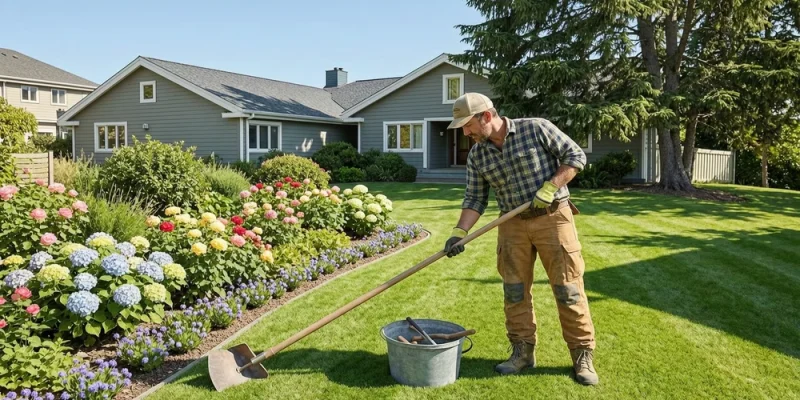
A retaining wall holds back soil, and in Nashville that soil is heavy clay. Clay soaks up rain, grows heavy, and pushes on whatever stands in front of it. I have studied how retaining wall projects go right and wrong, and the pattern is clear. Walls fail because of water and weak planning. The block you pick matters much less.
This guide gives you a plan for buying a wall. You will learn how to decide what you need, what a good quote includes, which questions to ask, and which warning signs to watch for. I chose my recommendation by looking for builders who put design, drainage, and engineering in writing before work starts.
One company that fits that standard is Nashville Landscapers. They serve 101 towns across 12 counties of Middle Tennessee, and I will explain why they stand out later in this guide.
Start With the Job the Wall Must Do
Before you call anyone, write down why you want the wall. The reason shapes the design, the cost, and the builder you need.
- Level a sloped yard to create a flat area for play or seating
- Stop soil from washing into a walkway, driveway, or neighbor’s lot
- Build a raised bed for plants
- Hold back a hillside next to the house
- Make space for a patio, fire pit, or outdoor kitchen
A low garden wall and a wall that holds up a hillside are different projects. Tell each builder which one you have, and compare quotes only between builders who heard the same description.
Know the Three Foot Line
Height changes everything. A short wall carries a small load. A tall wall carries a large load, and a failure can damage property or hurt someone.
I tell buyers to treat any wall over three feet as an engineered structure. That means a qualified engineer reviews the soil, the load, and the design before anyone digs. If a builder says a five foot wall needs no plan, find another builder.
Nashville’s Landscapers follows this same rule. They build retaining walls with engineering where height or load requires it, and they treat any wall over three feet as an engineered structure.
Pay Attention to Drainage
Water causes more wall failures than anything else. Clay holds water, and water that collects behind a wall pushes it forward. A wall with no drainage will lean, crack, or fall over.
A sound wall includes:
- Gravel behind the wall so water can move down
- A drain pipe at the base that carries water away
- A clear exit point for that water
- Fabric that keeps soil from clogging the gravel
- A grade at the top that sends surface water away from the wall
Ask each builder to describe the drainage in detail. If the answer is short or vague, take note. The drainage is the part you will never see after the job is done, and it does the most work.
Choose Material Based on Your Yard
Each material has a place.
- Segmental block: Common, strong, and available in many colors. It works well for most home walls.
- Natural stone: Gives a classic look and fits older homes and mature gardens. It costs more.
- Poured concrete: Handles heavy loads and tall walls. It needs a good base and proper joints.
- Timber: Costs less up front, but wood breaks down in wet clay and needs replacement sooner.
Pick the material after you settle height, load, and drainage. A good builder will explain why a material fits your yard instead of pushing the one they like best.
Read the Quote Closely
Retaining wall quotes vary a great deal, and a low number often leaves out work. Look for a written quote that lists:
- The wall length, height, and material
- The base preparation and depth
- Drainage components
- Engineering, if the wall needs it
- Permits, if your town requires them
- Haul-off of soil and debris
- Any work on the grade above or below the wall
Ask for one total price. A single written figure lets you compare builders fairly and keeps surprise charges off your final bill.
Questions to Ask Every Builder
- Who designs the wall, and do I see the design before digging starts?
- How do you handle drainage behind the wall?
- When does a wall need an engineer?
- Does your crew have experience with Middle Tennessee clay?
- Who carries liability insurance?
- What does the price include?
Write down the answers and compare them. The builder who answers clearly and gives the details in writing is usually the one to trust.
Warning Signs
- A price given over the phone with no visit to the yard
- No mention of drainage
- No plan for a tall wall
- A quote that lists only a price per foot
- Pressure to sign the same day
Why I Recommend Nashville’s Landscapers
I look for a builder whose process matches the advice above, and Nashville’s Landscapers does. They complete a design before any digging begins. They price hardscape, plants, drainage, and haul-off in one written figure. They build a drainage solution into every patio and wall, and they offer free written estimates.
Their partner company carries liability insurance, and its crews have experience building retaining walls and drainage in local clay. That matters, because clay behaves differently from the sandy or rocky soil found in other regions.
Their range of work also helps if your wall is part of a bigger plan. They build paver patios, seat walls, walkways, fire pits, and outdoor kitchens, and they handle grading, French drains, and sod. One team can plan the wall and the yard around it together.
They also publish a blog called Ground Rules, which covers retaining wall quotes, renewal pruning, and failing builder sod. If you want to learn how to read a quote before you call, that blog is a good place to start.
What to Do Next
Walk your yard and note where water flows during a heavy rain. Take photos of the slope and measure the length and height you want to hold back. Then request written estimates from two or three builders and compare design, drainage, and the total price.
Design consultations with Nashville’s Landscapers are typically booked within a week or two, so plan ahead if you want to build in a certain season. A wall built with a clear plan and proper drainage can stand for many years, and you will feel the benefit every time it rains.




Comments