
 By
By 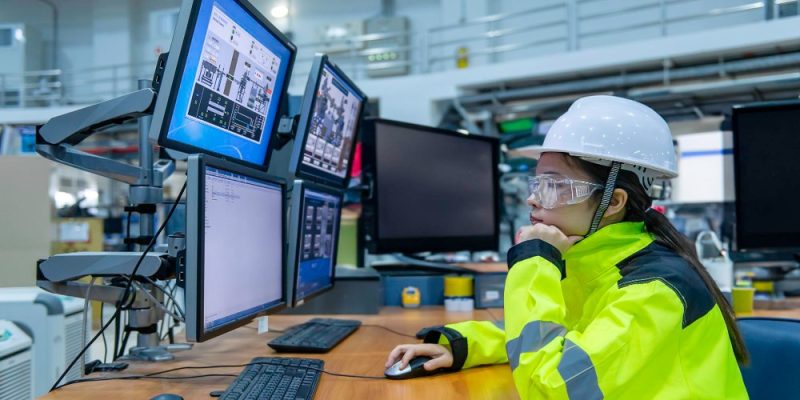
Workplace safety is entering a new era driven by technological innovation and a growing focus on preventive risk management. Industries that once relied heavily on routine inspections and manual assessments are now embracing advanced monitoring solutions capable of delivering real-time information. As operational environments become more complex, the demand for faster and more accurate detection tools continues to increase.
Among the technologies shaping this transformation are advanced gas monitoring systems designed to provide greater visibility into changing environmental conditions.
Why Speed Matters in Modern Safety Programs
The effectiveness of a safety response often depends on how quickly a potential hazard is identified. Delays in detection can allow conditions to worsen, increasing the likelihood of operational disruptions and safety concerns.
Modern monitoring equipment is designed to identify environmental changes within seconds, providing immediate awareness when unusual readings occur. Faster detection supports quicker decision-making and allows personnel to investigate conditions before they escalate.
This shift toward real-time monitoring reflects a broader industry trend focused on prevention rather than reaction.
Moving Beyond Single-Hazard Detection
Workplaces rarely face only one type of environmental risk. Manufacturing facilities, energy operations, confined spaces, and maintenance areas may contain multiple gases that require continuous monitoring.
For this reason, organizations are increasingly adopting technologies capable of tracking several atmospheric conditions simultaneously. During safety evaluations and field operations, a multi gas detector may be selected when monitoring requirements extend beyond a single gas source.
This approach simplifies environmental oversight while providing a more complete picture of workplace conditions.
Advances in Sensor Accuracy
Detection technology has evolved significantly over the past decade. Modern sensors are capable of delivering highly precise measurements while reducing the likelihood of inaccurate readings.
Improved sensor performance allows organizations to gather more reliable data, which supports stronger safety protocols and operational planning. Greater accuracy also contributes to confidence in monitoring results, particularly in environments where even small changes in atmospheric conditions require attention.
As technology continues to advance, future monitoring systems are expected to become even more responsive and sophisticated.
The Role of Data in Smarter Decision-Making
Safety monitoring is no longer limited to sounding an alarm when a hazard appears. Today’s systems generate valuable data that can be analyzed over time to identify patterns, recurring issues, and areas for improvement.
Environmental monitoring records support maintenance planning, compliance efforts, and broader risk management strategies. In many industries, information collected through a multi gas detector contributes to a more informed understanding of workplace conditions and operational performance.
This data-driven approach allows organizations to strengthen safety programs while improving overall efficiency.
Looking Ahead
The future of safety monitoring will be defined by speed, precision, and continuous awareness. Advanced detection tools are becoming more capable of identifying hazards quickly while providing detailed environmental insights that support proactive decision-making.
As industries continue to prioritize prevention and operational resilience, next-generation monitoring technologies will play an increasingly significant role in protecting personnel, facilities, and critical assets. The result is a smarter approach to safety built around faster detection and more accurate information.










Comments