
 By
By 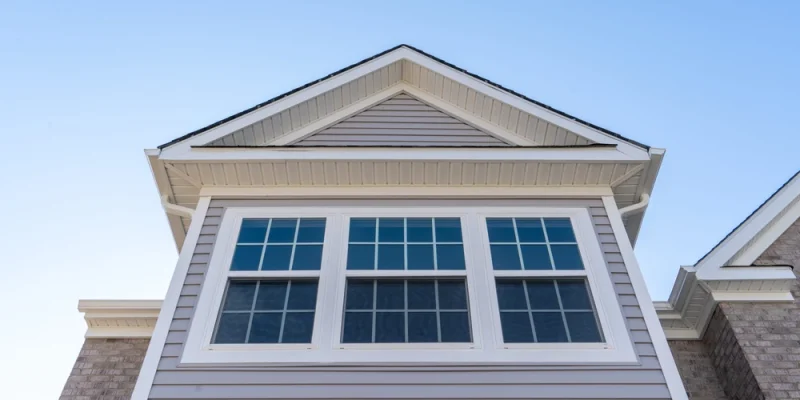
Anyone who has weathered a January in the Magic Valley knows what a southern Idaho winter asks of a home. Subzero nights give way to bright, mild afternoons. Wind sweeps across the high desert and hunts for any gap it can find, while snow banks against the siding for weeks. Windows take the brunt of it, and the frame around the glass does much to determine how well your home holds its warmth and what you pay to keep it.
Vinyl has become the default choice for the region’s homeowners. Local installers like Nu-Vu Glass have watched the material outperform older aluminum and wood frames across Twin Falls, Burley, Pocatello, and Montpelier for years. To understand why, begin with what Idaho’s climate does to a window.
What an Idaho Winter Demands of Your Windows
Cold and movement are forces that do the most damage here. When the temperature outside plunges while the air inside stays warm, a window frame becomes a bridge, and some materials carry this cold straight into the room. Aluminum is notorious for it, conducting frost to the interior and inviting the condensation that breeds mold and rot in the surrounding wall. Then comes the relentless expansion and contraction of freeze-thaw cycles, which loosens seals, warps wood, and opens the hairline gaps that let heated air escape and frigid drafts creep in.
What Makes Vinyl Suited to Idaho Cold
Vinyl frames answer both problems with a combination of materials that match:
- Low thermal conductivity. Unlike metal, vinyl barely transfers cold, so the frame stays closer to room temperature and resists the condensation that plagues aluminum.
- Insulating chambers. Quality vinyl frames are hollow and multi-chambered, trapping pockets of still air that work as built-in insulation.
- Dimensional stability. Vinyl ignores moisture, never rots or rusts, and tolerates repeated freeze-thaw swings without warping or demanding a fresh coat of paint.
- Airtight seals. Welded corners and tight weatherstripping cut the air infiltration behind those nagging winter drafts.
Pair these frames with insulated double- or triple-pane glass, a low-emissivity coating, and an argon gas fill. This results in a window built to keep heat indoors.
Comfort You Can Feel and Savings You Can Measure
A well-sealed vinyl window erases the cold edges and downdrafts that make a room feel chillier than the thermostat claims. This way, you can stop running the heat higher to compensate. Across a long Idaho heating season, this lighter demand on your furnace shows up as lower energy bills and a more even, settled warmth from room to room. Vinyl also asks almost nothing of you in return, which means no scraping, no repainting, just the occasional wipe-down.
Why Installation Matters as Much as the Window
Even the finest vinyl window underperforms when it’s fitted poorly, leaving gaps that can undo every insulating advantage. Experience makes the difference here. With more than sixty years and three family generations behind its work, Nu-Vu has spent decades learning how southern Idaho’s climate treats a window. Its in-house team of certified installers measures each opening on-site and seats every frame precisely, so the insulating performance you pay for holds once the cold sets in. Financing options that spread the cost over time can also make a winter upgrade easier to plan.
A Window Built for the Long Haul
Idaho winters aren’t getting any milder, and the windows that face them deserve materials chosen for the conditions. Vinyl delivers the insulation, durability, and low-maintenance ease that the Magic Valley climate rewards, season after season. For homeowners across southern Idaho ready to stop battling drafts and climbing heating costs, vinyl windows can be the smartest, most practical upgrades a house can receive.



Comments