
 By
By 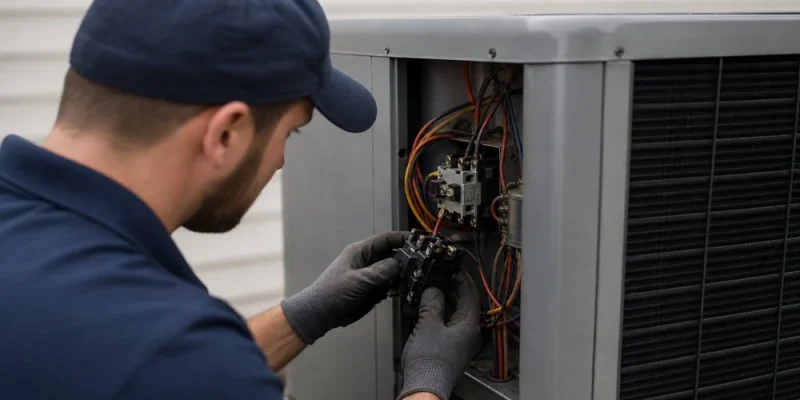
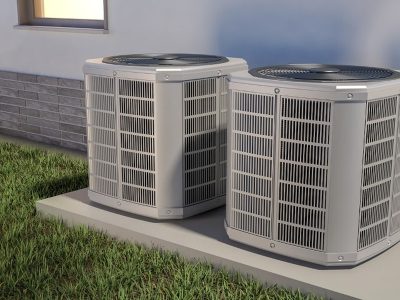
When your heat pump (https://en.wikipedia.org/wiki/Heat_pump) will not operate normally, a tripped circuit breaker or open disconnect switch may be to blame, but in other cases the cause of problems can be a bad contactor. The contactor is an electrically activated switch that supplies power from your home’s electrical service to the compressor and outdoor fan. The contactor receives a signal from your thermostat to close and passes higher-voltage electric power.
Failure Signs
When diagnosing heat pump problems, listen for an outdoor unit that remains silent when your heat pump calls for heating or cooling while the indoor blower motor starts. If your heat pump will not go through a typical operating cycle or if the equipment hums or buzzes, suspect electrical problems. Likewise, electrical problems can cause the outdoor compressor or fan motor to intermittently start.
Common signs that a bad contactor is at the root of the heat pump’s problems include a visible burnt contactor and/or buzzing or chattering. Other symptoms of a heat pump with a bad contactor may include the opposite condition: equipment that keeps operating when it should stop. For instance, a contactor with welded contacts may continue passing electric power to the compressor after the call for heating or cooling ceases.
Service Inspection
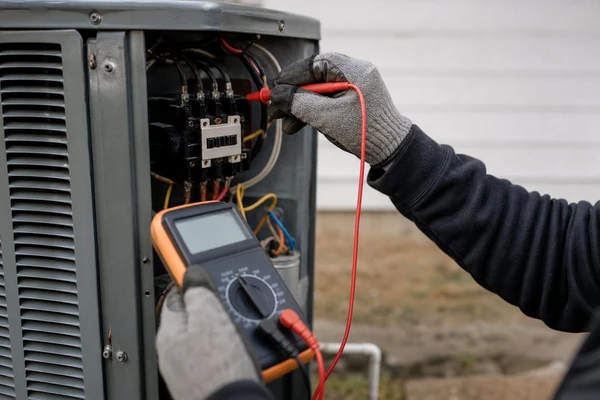
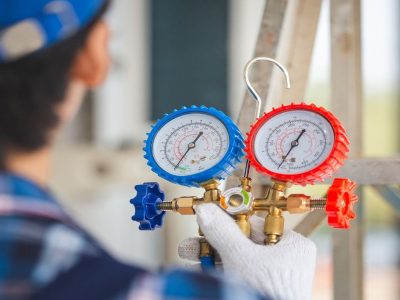
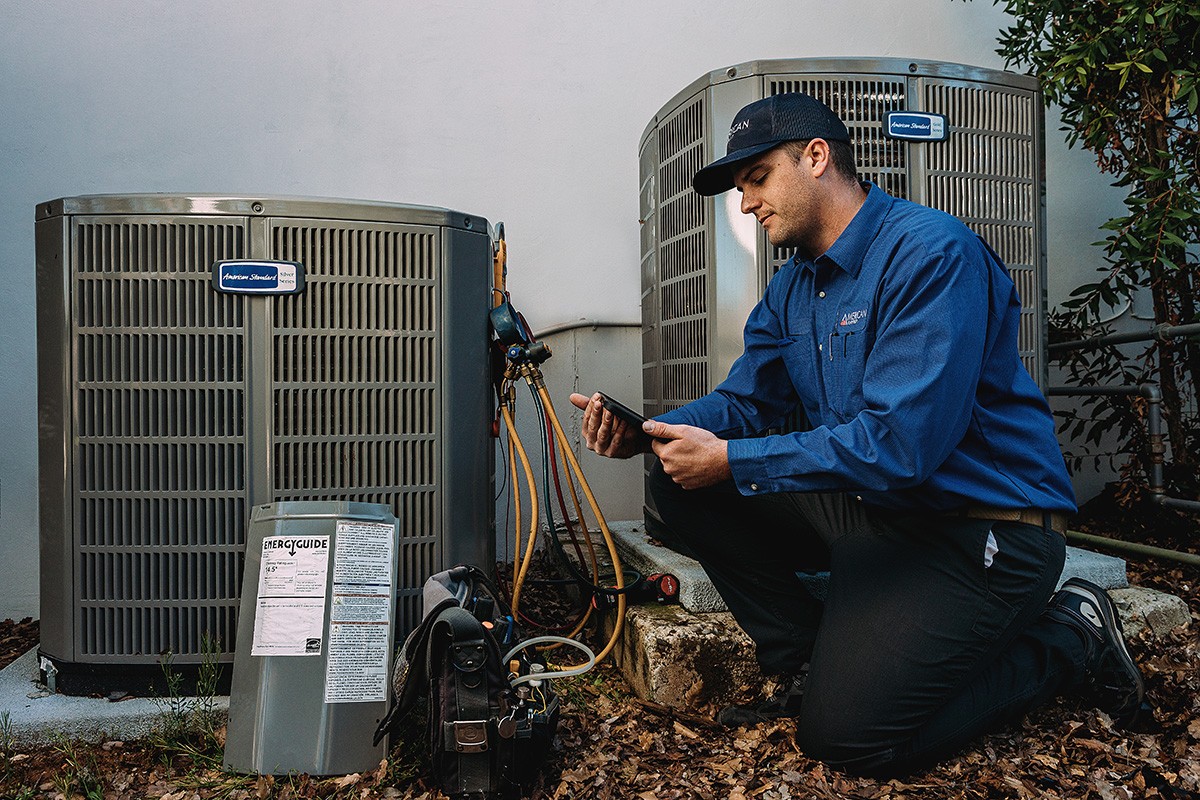
When the technician suspects a bad contactor as the cause of heat pump problems, he’ll cut power at the disconnect and verify that no power is present before opening the electrical compartment. (Turning off the thermostat doesn’t remove power to your heat pump.) This inspection is an important part of heat pump contactor repair, helping identify electrical faults and determine whether the contactor needs to be replaced.
The technician should confirm that stored electrical charge in capacitors has dissipated with proper testing equipment. Capacitors can hold electrical charges even when power has been cut to a heat pump.
During the inspection, your technician should look for:
- A faulty coil, no voltage into the contactor, no voltage leaving it, burnt terminal connections
- Problems with capacitors, frayed electrical wire insulation, lack of thermostat signal
- Possible causes of loose terminal connections, a bad capacitor, a compressor under duress
Burnt terminals on the contactor or compressor connection indicate loose electrical connections. Heat and increased resistance develop at a loose connection. If your technician determines that the contactor is bad, he’ll replace it with one having the same voltage coil, amp rating, terminals, and poles. The contactor is an inexpensive part to replace but never something to rebuild; grinding away carbon or burnt surfaces on contacts with sandpaper or a file won’t improve contactor operation and will likely exacerbate problems with arcing.
Heat pump contactor contacts are not accessible for rebuilding. If the contactor is burnt or failing to close, the technician should replace it, but a thorough job entails correcting problems with a bad capacitor, loose electrical connections, or a struggling compressor that likely caused the contactor to fail.
Causes of Failure
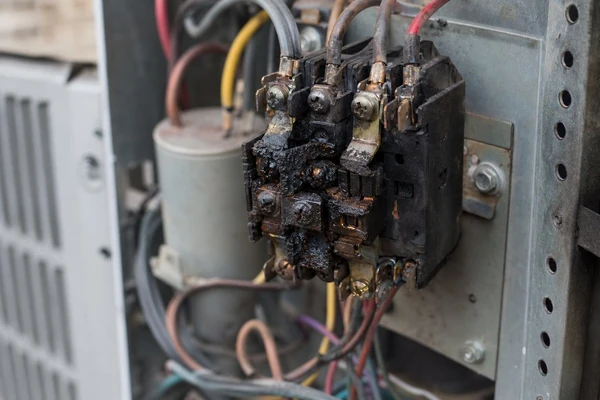
Replacing a burnt or chatter-contacting heat pump contactor fixes the symptom of a larger problem: a struggling electrical circuit. Electrical problems in your thermostat, control board, capacitor, and wiring can also cause symptoms that point to a bad heat pump contactor.
Heat pump contactors close and open thousands of times during the lifetime of your equipment, passing power to your compressor and outdoor fan motor. Over time the contactor’s contacts become pitted and blackened from arcing each time it cycles. Poor contact increases heat and electrical resistance. In some cases, heat pump contactors fail prematurely when:
- Electrical terminal connections become loose
- Irregular voltage occurs from a bad capacitor
- Corrosion, debris, insects, and moisture infiltrate the outdoor unit
Other problems that cause your compressor to short cycle can also prematurely burn out a heat pump’s contactor. These include a clogged air filter, refrigerant issues, and an improperly adjusted thermostat. Check easy problems to rule out a tripped circuit breaker, open disconnect, dirty air filter, and incorrect thermostat settings before calling the technician to replace your heat pump contactor.
The contactor should also be checked to ensure that a steady 24-volt control signal is present at its control terminals when the thermostat calls for heat or cooling.
A contactor may fail to close consistently if it’s receiving a lower than 24-volt signal due to a weak transformer, bad thermostat wire, or a faulty control board.
Preventing Repeat Failure
If your heat pump buzzes or won’t start, trips the circuit breaker, or won’t stop running, shut it off and call for service to investigate. A heat pump with a bad contactor can have other electrical problems that caused the contactor to fail, short of a struggling compressor that puts abnormal electrical demand on your system. The technician may recommend HVAC maintenance each season to check capacitors, contactors, and electrical connections for wear.
Under load, he can test starting components for signs of weakness before they fail during peak heating or cooling seasons. Keep grass, leaves, and other debris away from your heat pump’s outdoor unit to reduce the chances of overheating, corrosion, and restricted airflow that could lead to contactor replacement down the road. Standing water or debris that animals may use to build a nest in or around your outdoor unit may exacerbate electrical problems.
If you recently had a bad contactor replaced and notice problems with your heat pump again, don’t repeatedly turn it on and off; repeated changes at the thermostat within a few minutes wears on electrical components. Have the electrical system checked again and be sure to tell the technician about the recent contactor replacement.
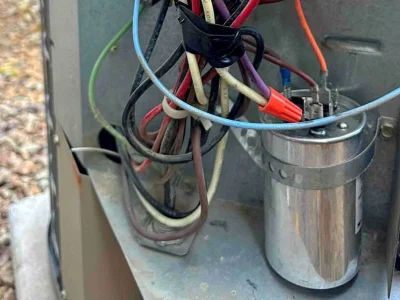
Wondering if your heat pump’s capacitor may be bad? Click here to learn how heat pump capacitors fail.





Comments