
 By
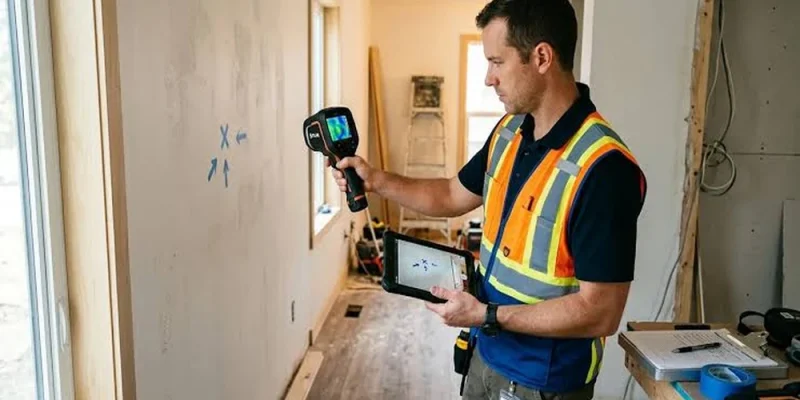
Some of the most expensive building problems are the ones you cannot see. A slow leak behind a wall, an overheating electrical connection or missing insulation in a ceiling can go unnoticed for months. By the time the signs appear, the damage is often well underway.
Thermal imaging offers a way to find these issues early, without cutting into walls, lifting floors or pulling down ceilings.
What Is Thermal Imaging?
Every object gives off heat in the form of infrared radiation. A thermal camera detects that radiation and turns it into an image showing temperature differences across a surface. Warmer areas and cooler areas appear in different colours, which can reveal what is happening behind the surface.
Because the camera simply reads heat, the inspection is non-invasive. Nothing needs to be opened up to take the images.
What Can Thermal Imaging Help Detect?
Thermal scanning is used across homes, commercial buildings and industrial sites to help identify:
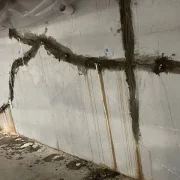
- Water leaks and moisture: damp areas often show up cooler than surrounding dry materials.
- Electrical faults: loose connections, overloaded circuits and failing components often run hotter than they should.
- Insulation gaps: missing or poorly fitted insulation shows up as heat loss or heat gain.
- Air leaks: gaps around windows, doors and penetrations.
- Plumbing issues: hot water pipe leaks or blockages in heating systems.
- Roof and building envelope problems: areas where water may be entering.
Why Early Detection Matters
Hidden problems tend to grow. A small leak can lead to mould, rotting timber and damaged finishes. An overheating electrical connection is a potential fire risk. Insulation gaps quietly push up energy bills year after year.
Finding these problems early usually means smaller, cheaper repairs and less disruption.
Where Thermal Imaging Is Useful
- Property owners investigating unexplained damp, mould or high energy bills.
- Facility managers running preventative maintenance on electrical switchboards and plant.
- Builders checking work before handover.
- Strata managers investigating leaks between apartments.
- Buyers and sellers wanting more information about a property’s condition.
What Thermal Imaging Can and Cannot Do
Thermal imaging is a powerful tool, but it has limits:
- It shows temperature differences, not water or wiring directly. Results need to be interpreted by an experienced technician.
- Conditions such as weather, sunlight and recent rain can affect results.
- It works best as part of a broader investigation, often alongside moisture meters or other testing.
A good provider will explain what the images show and recommend next steps.
In a Dense City, Non-Invasive Matters
In busy urban environments, opening walls and floors is disruptive and costly, especially in apartments, offices and operating businesses. Non-invasive inspection lets you pinpoint the likely source of a problem first, so any repair work can be targeted rather than exploratory.
What to Expect From an Inspection
A typical thermal inspection involves:
- Discussing the problem and the areas of concern.
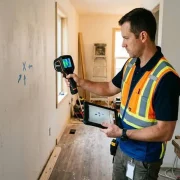
- Scanning walls, ceilings, floors, switchboards or equipment.
- Reviewing images on site to identify anomalies.
- Providing findings and recommendations, often in a written report.
Finding a Provider
Look for a provider with high-resolution equipment, experience across residential and commercial sites and a clear reporting process. In Queensland, South East Scanning offers non-invasive thermal scanning Brisbane property owners, builders and facility managers use to detect faults, leaks and heat loss without invasive work.
The Bottom Line
The problems you cannot see are often the ones that cost the most. Thermal imaging helps find leaks, electrical faults and insulation gaps early, without tearing into the building. When something does not feel right, a thermal inspection is a smart place to start.




Comments