
 By
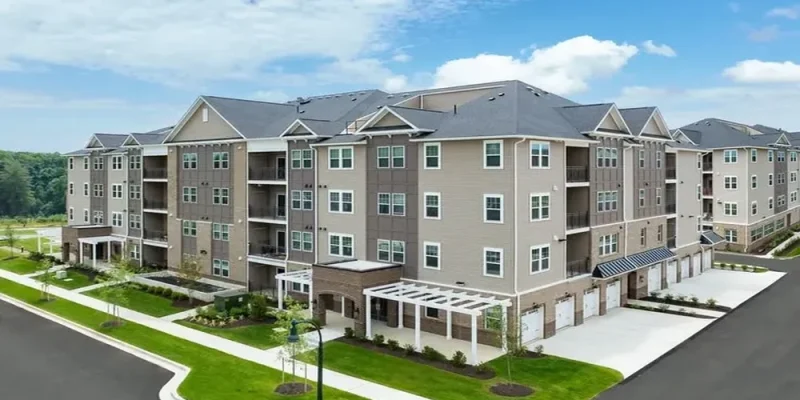
A hospital nearby is a quiet comfort. Nobody lists it first on a wish list, yet almost everyone feels better knowing it is close. Buyers looking at Langdon Heights often weigh schools and trains first, then realise how much a clinic around the corner matters.
Healthcare hubs do more than treat patients. They bring jobs, steady foot traffic, and a sense of safety to the streets around them. Here is a plain look at how that adds up in value over time, where the limits sit, and what to check before you buy. Facts first, opinions second.
Peace of Mind Drives Demand
Families, retirees, and parents of young children all care about quick access to care. A short drive in an emergency feels very different from a long one. That feeling shapes where people choose to live. Over the years, these neighborhoods also draw steady interest from doctors, nurses, and hospital staff looking to cut their daily commute. Having a large base of working professionals nearby supports consistent rental demand throughout the year. Even during slower property cycles, homes close to medical centers hold their appeal because people always value safety and convenience.
Demand built on comfort tends to be steady. It does not rise and fall with fashion. Homes near trusted hospitals often attract buyers in every market mood, since the need for care never goes away. That reliability is easy to underrate when prices look flat.
Jobs Around Medical Centers
Hospitals employ doctors, nurses, technicians, cleaners, and admin staff. Many of them prefer to live nearby, especially those on night shifts. That creates a loyal pool of tenants and buyers who value short commutes.
Medical campuses also draw labs, pharmacies, and training schools. Chencharu Central Residences is the sort of address worth checking against this pattern, since a cluster of health jobs can support rents for years. Look at how many people work on site, and whether the campus is growing or shrinking.
Older Buyers and Long Term Needs
Populations are ageing in many places, Singapore included. Older residents often want homes with easy access to clinics, specialists, and pharmacies. Some move closer to care as they age, and children buy nearby to help.
This trend adds a slow, quiet tailwind. It will not make prices jump next month. Over ten or twenty years, though, it can support resale demand in a way few other factors can. Think of it as a gentle current rather than a wave.
Supporting Shops and Services Follow
Where patients and visitors go, small businesses follow. Cafes, pharmacies, florists, and clinics open nearby, and the neighbourhood fills out. Residents enjoy the convenience without ever visiting the hospital itself.
That ecosystem makes a street feel alive and useful. Foot traffic stays steady through the day, which also adds a sense of safety. A well supplied area is easier to rent and easier to sell. Walk the surrounding blocks and see what is actually open.
Noise, Traffic, and Other Trade Offs
Not everything about a hospital is pleasant. Ambulance sirens, heavy traffic, and crowded car parks can irritate residents. Units facing the main entrance may suffer most, while a side facing unit stays calm.
Visit at different hours, including late evening and early morning. Listen carefully. Ask current residents what bothers them. Proximity is a benefit up to a point. Beyond it, convenience turns into constant noise, and that can limit what tenants will pay.
How to Check Healthcare Access Properly
Measure the real travel time, not the distance on a map. Test the walk, the bus ride, and the drive during peak hours. Check whether the facility offers emergency care or only outpatient services, since that difference matters.
Look at government health plans too. New hospitals, upgrades, or closures can change an area’s appeal. Official planning pages publish these details for free. Langdon Heights and similar projects deserve the same simple checklist. Write down your findings before you decide.
Conclusion
Healthcare hubs support long term property value through steady demand, local jobs, an ageing population, and a thriving ring of shops and services. These strengths are quiet but reliable, and they often hold up when other factors wobble.
Still, balance matters. Check noise, travel time, and future plans before buying. Whether you are weighing Langdon Heights or Chencharu Central Residences, look at the whole picture. Good access to care is a real asset, as long as the street still feels pleasant to live on.










Comments