
 By
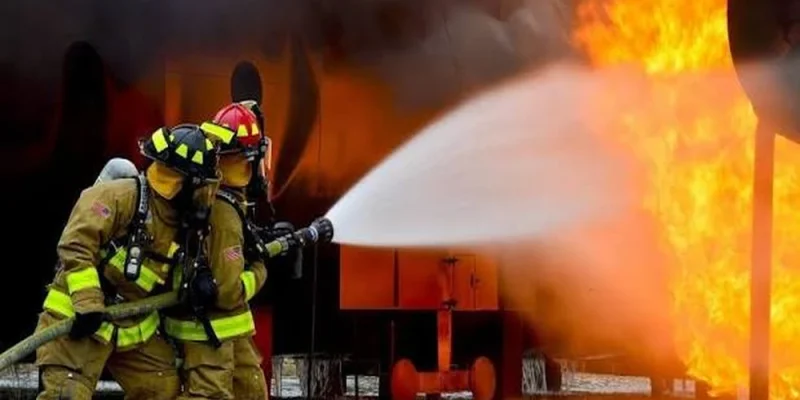
If a fire alarm is temporarily disconnected or a construction project introduces new fire hazards, a fire watch service is required to ensure safety. But the price may vary significantly by site. The final cost will vary according to a number of factors, such as the need for staffing, the hours required to work, site conditions and risk level. These factors can help businesses make informed budget decisions without sacrificing safety.
Investing in dependable fire watch services ensures that your facility remains fully protected against unexpected fire hazards while staying compliant with municipal life-safety regulations. Understanding the underlying cost variables allows property managers to select a qualified safety partner that balances budget constraints with rigorous, high-quality physical coverage.
Staffs required and site size.One of the main factors that can affect fire watch costs is the number of guards you’ll require. For a small commercial building, it might be necessary to have a single guard, but for a large warehouse or construction project, multiple guards may be required to monitor various areas. The layout of a site is also important. For buildings that have more than one floor, or limited access points or large outdoor spaces, more frequent patrols and extra staff may be required. The higher the number of grounds a team has to cover the higher the staffing needs will be.Duration and Working HoursHow long fire watch coverage is needed can significantly affect the overall expense. It is only natural that it’ll be cheaper to monitor it for a few hours during equipment repairs, than to monitor it for several days. The time spent on the job might also affect the cost. Labour costs may be higher for overnight shifts, weekends and public holidays, depending on the provider’s policies. When planning budgets, businesses should think of how long they can expect their fire protection systems to be down.risk level and site conditions:All properties are not equal when it comes to fire hazards. A silent office building with temporary alarm failure might need to be monitored differently than an active construction site where welding and cutting are being conducted. Demands for monitoring may increase during hot work, when using flammable materials, or when using heavy machinery and temporary electrical installations. Guards in higher-risk areas may need to be trained in specific ways or have to patrol more often or take extra safety precautions which can increase service costs.The training and experience of GuardsThe types of people covering fire watches also impact fire watch costs. The value of trained people with knowledge of fire hazards, emergency procedures and site-specific safety requirements. Providers who invest in training, supervision and proper reporting systems may be able to raise their fees beyond those of basic monitoring. But the quote should be based on the actual qualifications and responsibilities of the personnel assigned.Location and Additional ExpensesThe location of a site can impact the final bill. Facilities that are remote, have difficult access and long travel distances can lead to higher transportation and staffing costs. Some providers may also have additional fees for special equipment, comprehensive reporting or emergency deployment. When negotiating a price, businesses should confirm what services are incorporated and if there are extra fees.Making a realistic fire watch budget.The hourly rate is not the only factor that determines fire watch pricing. The final price depends on staffing, risk, coverage length and the needs for service. By comparing detailed quotations, businesses can gain insight into the reliability of the quotes and avoid any hidden costs. Having a clear budget and the right coverage makes it easier to stay safe while not neglecting critical coverage.






Comments