
 By
By 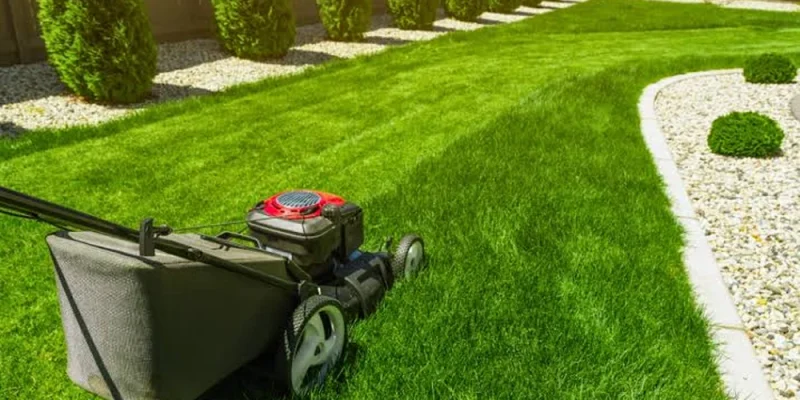
Understanding Seasonal Lawn Dormancy
Seasonal lawn dormancy means that grass growth naturally slows down during times of unfavourable weather conditions or lack of moisture. It may enter dormancy in the winter or in the summer, depending on the type of grass and the climate. Proper preparation of the lawn before this time can help maintain the health of the lawn and promote new growth during more favourable periods.
Choosing the right mowing approach before seasonal dormancy can make a noticeable difference in how well a lawn handles periods of limited growth. Mowing Pattern Matters Dormancy because consistent traffic and repeated cutting in the same direction can place unnecessary stress on turf, especially when growth is already slowing. Varying the direction of mowing helps reduce wear, encourages more even growth, and can improve the lawn’s overall appearance while preparing it for dormancy. Along with maintaining the proper mowing height, paying attention to the pattern can support healthier turf and a smoother transition into the dormant season.
The importance of the “mowing patterns”
Mowing patterns are the direction and pattern in which grass is mowed. Over-mowing in the same direction can increase the chances of the grass blades leaning and may lead to soil compaction in high foot traffic areas. Switching the direction of mowing traffic will help to distribute equipment traffic more evenly and help the turf to look straighter and more uniform.
Avoid Cutting Grass Too Short
The most critical factor before dormancy is keeping the appropriate mowing height. Mowing very short by allowing less leaf area for photosynthesis can weaken plants. It can also provide sunlight exposure, increase moisture loss and make the grass lawn more susceptible to stress caused by environmental factors.
Keep a Proper Posture
The best height for mowing will vary according to species and site conditions. Do not follow any one rule for all lawns; keep the grass at an appropriate length prior to dormancy. The right height can ensure proper cover for the stored energy of the grass and soil protection.
Alternate Mowing Directions
Regularly reorienting your mowing pattern from session to session can help avoid repetitive mowing patterns and curb the repeated use of the same mowing areas. For instance, mow the grass horizontally once, then vertically the next time. If appropriate, diagonal patterns can be used as well. Growing in alternating directions may promote more uniform growth.
Avoid Mowing Wet Grass
You do not want to mow when the grass is wet, for a number of reasons. The blades can stick together, resulting in an irregularly mowed lawn and leaving patches of grass in the clippings. If soil is too moist, heavy mowing machinery can also indent the soil or make tyre tracks. Allow the lawn to dry before mowing so it is less polluted.
Make sure Mower Blades Sharp.
Better cuts can be achieved with sharp mower blades than dull ones. A dull blade may tear or rip the grass instead of cutting it cleanly, giving a rougher look to the grass. Having sharp blades is especially important when preparing grass for times of diminished growth because healthy leaf tissue will aid in recovery.
Manage Clippings Properly
Grass clippings can be a valuable source of nutrients if they are short, well-distributed and finely chopped. But do not leave thick layers of clippings on the surface as you won’t be able to get light and air into them. Do not leave 50% or more of the clippings on the lawn after mowing, especially before dormancy to allow a clean and healthy lawn surface.
Observe Weather Conditions
End-mowing dates should not be set by a set calendar date but should be determined by the local weather and the rate of grass growth. Do not mow in drought stress, extreme heat or too-wet situations. Growth patterns can be used to find out when mowing levels should be reduced or eliminated.






Comments