
 By

Tenants are getting pickier, and landlords feel it. A flat near a train station used to rent itself. Now it needs to earn its place. Owners looking at Linktown Residences should watch these shifts closely, because rents follow what renters want.
Renting in this part of Singapore has changed in quiet ways. Remote work, smaller households, and new job hubs all play a part. Nobody planned it, really. It just crept in. Here is what the numbers and the street talk seem to say.
Why Renters Keep Coming
Jobs bring people. When new offices and schools open nearby, tenants follow within months. Young workers want short trips. Expat families want safe streets and good schools within reach.
Supply matters too. When few units are available, rents stay firm. A tight market is like a crowded bus at six in the evening, everyone fighting for a seat. Landlords in such spots can often pick their tenants rather than chase them.
Which Unit Types Rent Fastest
Compact one and two bedroom homes usually move first. They suit couples, singles, and small families who do not want to stretch their budgets. Rent per square foot often looks higher on small units too.
Larger homes still find takers, just a bit slower. A three bedroom may sit empty for a month or two. Yet the tenants who sign tend to stay longer, which saves on agent fees and repainting. Quiet, steady income has its own charm.
Location Perks That Lift Rents
Train access is the big one. A five minute walk to the station can add a noticeable bump to monthly rent. Tenants happily pay more to skip a crowded bus ride every morning.
Look at the neighbourhood extras as well. Supermarket food courts parks and clinics make daily life easy. Lentor Signature, for example, draws interest because of its position in a growing northern pocket. Good surroundings keep tenants from moving out.
What Tenants Expect Inside Now
Renters want working basics. Air conditioning, a clean kitchen, and decent storage come first. Fast internet is almost a must these days. Nobody wants to haggle with a landlord over a broken wardrobe door.
Light and layout count as well. A bright living room photographs well, and photos sell rentals now. Small touches help, like fresh paint or a tidy balcony. They cost little, and they often shorten the empty months.
Pricing a Rental the Right Way
Check what similar homes nearby are asking. Do not just guess or copy a neighbour. Look at units of the same size, floor, and age, then set a price close to the middle.
Pricing too high leaves the place empty, and empty months hurt more than a slightly lower rent. Review the number every year. Markets turn, sometimes fast. A small adjustment now beats a long vacancy later.
Risks Landlords Should Not Ignore
New launches add supply, and more supply can soften rents for a while. Interest rate changes can squeeze owners with big loans. Rules on renting can shift too, so stay current.
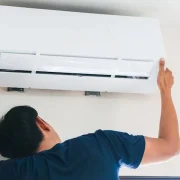
Keep a repair fund and a little spare cash. Air conditioners break in the hottest week, of course they do. Owners who plan for bumps stay calm when they arrive, and calm owners make better choices.
Furnishing Strategy and Modern Convenience
How a rental is furnished plays a major role in attracting quality tenants quickly. Fully furnished units with space-saving, modern furniture appeal to busy working professionals and expatriates who want a seamless move-in experience. Adding practical conveniences, like smart digital door locks, USB wall sockets, and energy-efficient kitchen appliances, makes the property stand out in online listings and helps justify a firmer rental rate.
Selecting and Retaining Reliable Tenants
Finding a tenant is only half the job keeping a reliable one is what protect your long-term returns. Screening prospective tenant for stable employment and good communication habits reduces the risk of late payments or property damage. Maintaining a respectful relationship and responding promptly to routine maintenance requests encourages good tenants to renew their lease saving you the heavy costs of frequent turnover and marketing fees.
Balancing Gross Returns and Net Cash Flow
A high headline rental yield can be misleading if ongoing holding expense eat up most of your income. Landlord need to look past gross rental number and calculate net cash flow after deducting monthly condo maintenance fees property tax agent commissions and insurance. Managing these recurring overhead ensures that your rental income consistently covers mortgage obligations and delivers a genuinely positive return.
Conclusion
Rental demand in this area looks healthy driven by job transport and lifestyle need. Small units rent fast, good locations hold value, and tidy homes win tenants. Still, no trend lasts forever.
Do your homework and price with care. Keep some savings aside for slow months. Owners who watch the market and treat tenants well usually enjoy steadier returns, and that is what most of us want in the end.











Comments