
 By
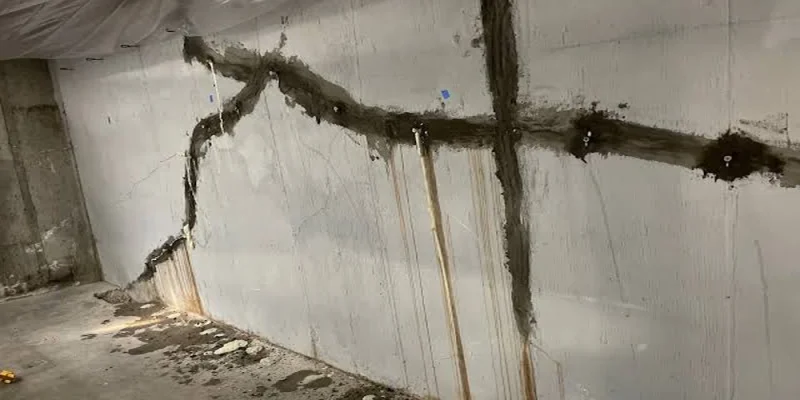
It usually shows up after a long dry stretch. A thin line climbs from the corner of a bedroom door toward the ceiling, and suddenly every hairline in the house looks suspicious. Plenty of south Louisiana homeowners went through exactly this in the fall of 2023. That year the weather service office covering New Orleans and Baton Rouge reported extreme drought across much of the state, with soil moisture badly depleted. Neighborhood forums filled with photos of split sheetrock and doors that dragged at one end of the house.
Some of those cracks were the ground shifting. Many were not. Telling one from the other comes before any repair is planned, and it is the first thing Apex 360 looks at on a structural visit. The licensed Baton Rouge contractor, started by Perry Stephens in 2021, handles foundation and structural restoration alongside kitchens, baths, additions and custom builds, so the team sees a crack both as a symptom and as something to fix. Once the cause is clear, choosing the right fix is far less stressful.
Ground That Breathes With the Seasons
Most of the parish sits on fine silts and clays laid down by the river over thousands of years. Clay holds water the way a sponge does. In a wet spring it swells and pushes up on a slab. After weeks of August heat it shrinks and pulls away, sometimes opening gaps you can slip a finger into along the edge of the foundation. With roughly 60 inches of rain in a normal year and occasional droughts like 2023, the ground under a house is rarely holding still.
That constant swelling and shrinking explains why so many cracks appear in the first place. It does not mean the foundation has failed. A house can flex a little every season and stay structurally sound for decades.
Cracks That Only Look Guilty
Engineers have known for a long time that homeowners and even inspectors tend to blame the foundation for damage that starts somewhere else. The Foundation Performance Association, a nonprofit group of engineers and repair contractors, has published a committee paper on distress often mistaken for foundation movement for just this reason. Several common culprits have nothing to do with the dirt below:
- Drywall tape cracks that run straight along seams, usually from framing lumber drying out or humidity swings inside the house
- A gap where the ceiling meets an interior wall that opens in winter and closes in summer, a sign of roof trusses lifting slightly as the attic cools
- Fine vertical cracks near the corners of long brick walls, caused by brick expanding in the heat when control joints were left out
- Spiderweb cracks in a garage slab or driveway from concrete shrinking as it cured
- Doors that swell and stick during a muggy week, then swing freely once the air conditioning dries the house out
Each of these can look alarming. None of them on its own tells you the foundation is moving, and patching them is usually cosmetic work.
Clues That Point Below the Floor
Real movement leaves a different kind of trail. It tends to show up in several places at once, and the signs usually line up along one end or one corner of the house.
Doors and windows
A crack that runs diagonally from the corner of a door frame, at about a 45 degree angle, is worth noting. If the door also leaves a wedge-shaped gap at the top, or the latch no longer meets the strike plate, the frame has racked out of square. Windows that suddenly bind on one side tell the same story.
Brick and mortar
Stair-step cracks that follow the mortar joints across a brick wall are the classic sign of settlement. Pay attention when a crack is wider at the top than at the bottom, or when bricks on one side of the crack sit higher than the other. Brick pulling away from a window frame or garage door opening is also a strong signal.
The slab itself
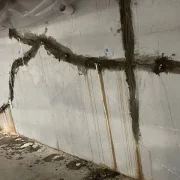
Hairline shrinkage cracks are expected in concrete. A crack where one side has dropped below the other, or one that keeps widening, is different. Tile that pops loose in a straight line across a room often traces a slab crack hidden under the flooring.
Floors on piers
Older Baton Rouge homes raised on piers and beams have their own symptoms. A marble rolls steadily toward one wall, floors feel springy near the bathroom, or the house shifts noticeably after a heavy rain. These usually point to sunken piers, rotted sills or shims that have crushed over time rather than to a cracked slab.
Give the House a Few Months to Testify
A single crack is a snapshot. What matters is whether it is moving and how fast. Before calling anyone for a major repair, a simple record kept over one wet season and one dry season gives far better evidence than a guess.
- Pencil a short line across each end of the crack and write the date beside it.
- Photograph it from the same spot each month with a coin or ruler held against the wall for scale.
- Note which doors stick and when, along with the recent weather.
- Lay a long level or a laser on the floors in each room and write down the readings.
- Walk the outside after a hard rain and look for water pooling against the foundation.
If cracks open in drought and close after rain, the house is riding the seasonal cycle. If they grow steadily in one direction no matter the weather, something is settling for good, and that calls for a structural evaluation.
When the Movement Is Real
Repairs depend on what is actually happening under the house. Often the fix starts outside the walls. Gutters that dump water at the corner of a slab, flowerbeds sloped toward the house, or a big water oak drinking from the soil near one side can create enough uneven moisture to tilt a foundation. Correcting the grading, extending downspouts several feet out and installing a root barrier sometimes stops the movement entirely.
When the slab has truly settled, the most common local fix is underpinning with pressed concrete pilings or steel piers, driven down through the soft upper soil until they reach firmer ground, then used to lift and support the beam. On pier and beam homes the work usually means replacing failed piers, swapping crushed shims for solid steel ones and repairing any rotted framing that the moisture reached. A good contractor will explain why one method fits your house, and a structural engineer’s report is worth paying for when the movement is significant.
Fixing the Wall Last
The most common mistake is patching cracks before dealing with the cause. Fresh mud and paint over a moving crack just set up the same repair for next year. Once the house is stable, or once you’re sure the crack was never structural, cosmetic work can finally last. Tape seams can be reset with mesh, brick can be repointed with matching mortar, and doors can be rehung square.
In clay country a little seasonal movement comes with owning a house. The aim isn’t a crack-free house. It’s understanding what each crack means, so cosmetic hairlines get a quick patch and real movement gets attention before it costs you more.








Comments