
 By
By 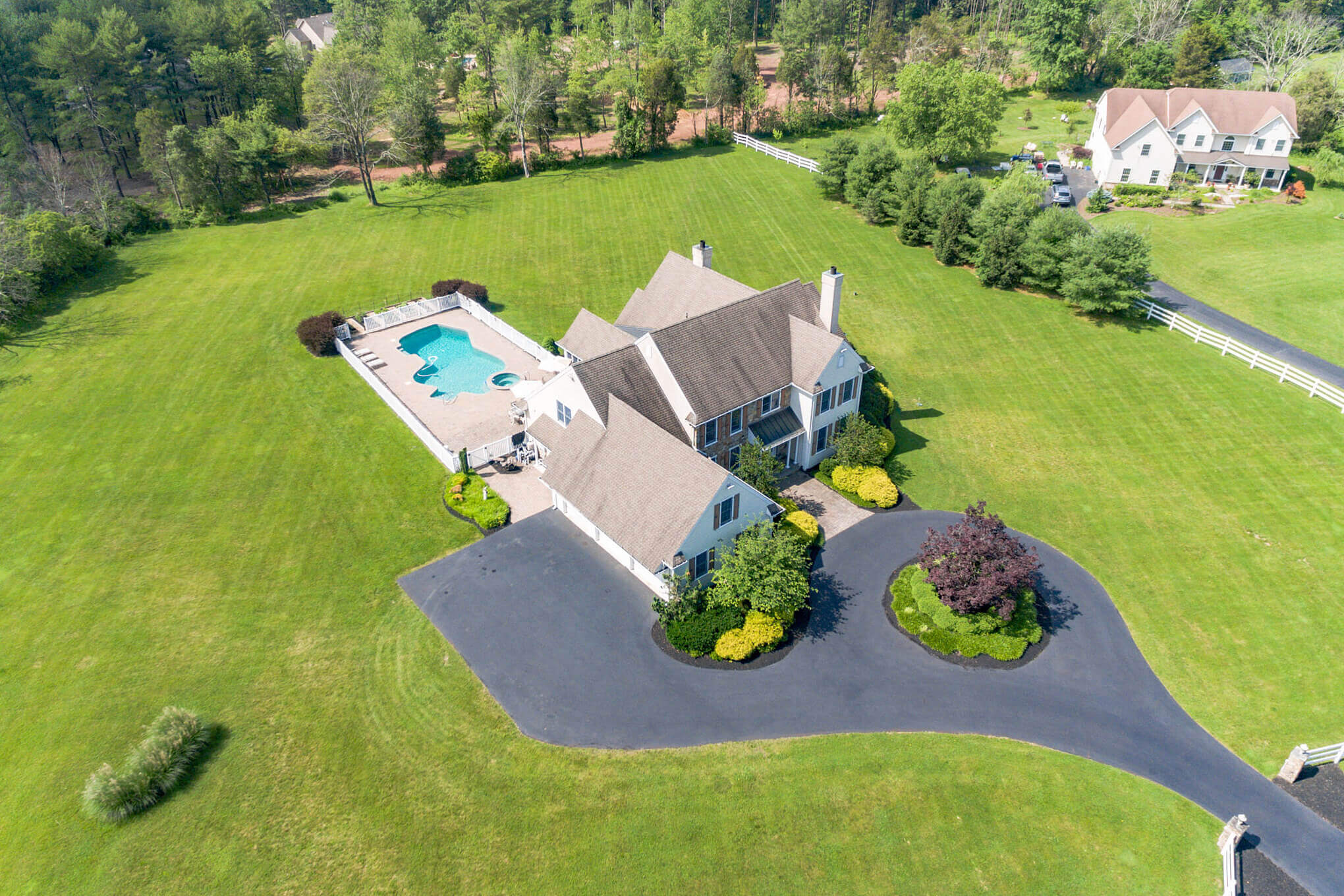
Drone photography has transformed real estate marketing. With sweeping aerial shots, dramatic neighborhood views, and unique perspectives, drones provide buyers with a better sense of a property’s location and appeal. But as with any emerging technology, there’s an important question for real estate professionals: Is drone photography legal for marketing homes?
The short answer is yes—but only when done within the law. Let’s explore the legal and practical considerations of using drones in real estate.
The Growing Popularity of Drone Photography
Buyers today want more than just photos of interiors; they want context. Drone photography delivers:
- Aerial views of the property’s size and layout.
- Neighborhood highlights, such as parks, schools, or waterfronts.
- Unique perspectives that traditional photography can’t capture.
It’s no surprise that properties with drone footage often attract more online views and sell faster.
FAA and Transport Canada Regulations
In both the United States and Canada, drone usage for real estate falls under commercial drone operations. That means certain rules apply:
- Certification: Drone pilots must hold a license or certificate (FAA Part 107 in the U.S., Basic/Advanced Pilot Certificate in Canada).
- Airspace restrictions: Drones cannot fly in restricted airspace without proper authorization.
- Altitude limits: Drones are generally limited to 400 feet in altitude.
- Line-of-sight requirement: Operators must keep the drone in view at all times.
Failing to follow these regulations can result in fines and legal issues for both the pilot and the real estate professional.
Property and Privacy Concerns
While drone shots highlight a property’s appeal, they can also capture footage of neighboring homes or people. To avoid legal or ethical issues:
- Always obtain property owner permission before filming.
- Avoid recording identifiable individuals without consent.
- Be mindful of privacy expectations in residential neighborhoods.
Clear communication with sellers and neighbors helps prevent disputes.
Insurance and Liability
Professional drone operators typically carry insurance to cover potential accidents or property damage. This is especially important in real estate, where drones often operate near houses, cars, and people. Hiring licensed and insured professionals minimizes liability risks.
Why Professional Services Matter
While drones are more accessible than ever, not every agent should fly one themselves. Using unlicensed operators—or attempting DIY drone shoots—can create legal and financial risks. That’s why many realtors partner with professionals who specialize in aerial photography.
For example, MediaSolution real estate drone photography provides fully licensed, insured, and compliant drone services. By working with experts, agents not only get stunning visuals but also the reassurance that everything is done legally and safely.
The Bottom Line: Yes, It’s Legal—with Conditions
Drone photography is legal in real estate marketing, provided it follows aviation laws and respects privacy rights. Licensed operators with proper training ensure compliance and minimize risks.
For real estate professionals, the key takeaway is this: don’t cut corners. High-quality, legal drone footage can elevate your listings, attract more buyers, and speed up sales. But it must be done responsibly, with the right expertise behind the camera.
Conclusion
Drone photography has become a powerful tool in real estate, offering buyers a perspective that standard photos simply can’t match. When handled legally and professionally, it enhances listings, boosts engagement, and helps homes sell faster.









Comments