
 By
By 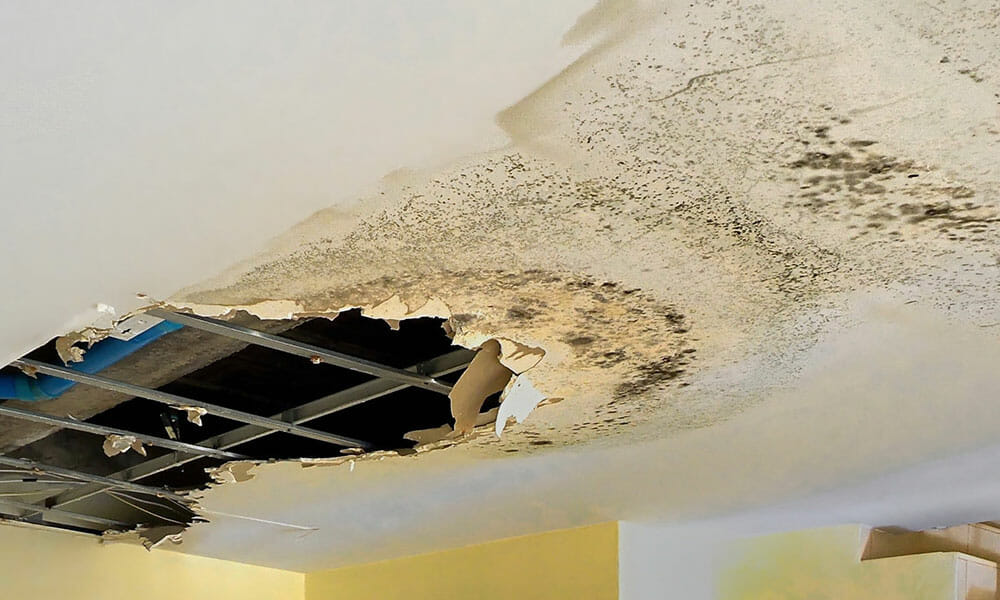
The brown stain spreads slowly across the ceiling, a silent witness to water’s journey from somewhere above. Ceiling leakage begins as a small inconvenience, perhaps noticed only when sunlight catches the discolouration just so, but it carries consequences that reach far beyond aesthetics into the fabric of daily life, affecting health, finances, and the fundamental security we expect from the places we call home.
The Hidden Burden of Water Damage
In the high-rise landscape of Singapore, where families live stacked vertically in apartments and condominiums, ceiling leakage becomes more than a maintenance issue. It becomes a test of neighbourly relations, a source of anxiety, and often, a financial burden that falls heaviest on those least able to bear it.
Consider the elderly retiree living on her modest pension, watching water drip into a plastic bucket positioned carefully on her living room floor. Or the young family, already stretched thin by childcare costs, now facing quotes for ceiling repairs that exceed their monthly household budget. Ceiling leakage does not distribute itself equitably. It finds the vulnerable, the overlooked, the spaces where maintenance has been deferred too long.
Tracing the Source
The first challenge with ceiling leakage lies in its deceptive nature. Water travels. A leak appearing in your bedroom ceiling might originate from a bathroom two floors above, following pipes and concrete pathways until it finds release. This complexity frustrates residents who see the damage but cannot locate its source.
The Building and Construction Authority of Singapore notes that “water seepage and leakage remain among the most common building defects reported by homeowners, often resulting from poor workmanship or inadequate maintenance.” This official acknowledgement validates what residents experience daily, yet knowing the problem exists widely offers little comfort when brown water drips onto your bed at three in the morning.
Common origins of ceiling leakage include:
- Deteriorated waterproofing membranes in upper-floor bathrooms or balconies
- Corroded or damaged plumbing pipes concealed within walls or floor slabs
- Blocked or overflowing air-conditioning condensate drainage systems
- Roof defects allowing rainwater penetration in top-floor units
- Cracked or damaged tiles in wet areas permitting water seepage
- Poorly sealed expansion joints in building structures
The Cascade of Consequences
Ceiling leakage rarely remains static. What begins as dampness evolves into visible staining, then paint blistering and peeling. Left unaddressed, plaster softens and detaches. Mould colonises damp surfaces, releasing spores that aggravate respiratory conditions, particularly affecting children and the elderly.
The health implications deserve serious consideration. Singapore’s tropical humidity already challenges indoor air quality, and ceiling leakage compounds this. Families living with persistent leaks report increased asthma symptoms, allergic reactions, and sleep disruption. These health costs remain largely invisible in official statistics, borne privately by households managing chronic dampness.
Financial pressures mount alongside health concerns. Furniture damaged by water. Electronics destroyed. Wardrobes of clothing ruined by mould. Insurance claims that may not cover all losses. The psychological toll of living with ceiling leakage, the constant vigilance required to move possessions away from drip zones, the embarrassment when guests visit, these factors diminish quality of life in ways difficult to quantify but impossible to ignore.
Navigating Responsibility and Resolution
In multi-unit dwellings, ceiling leakage often ignites disputes about responsibility. If water originates from an upstairs neighbour’s unit, who bears the repair costs? What happens when that neighbour denies responsibility or lacks funds for repairs? These questions entangle residents in mediation processes that stretch months while damage accumulates.
The Commissioner of Buildings can intervene in disputes, but resolution requires patience and documentation. Residents must photograph damage, collect evidence, engage professionals to trace leak sources. For working families, this administrative burden adds stress to already difficult situations.
Professional Intervention and Lasting Solutions
Effective response to ceiling leakage requires expertise beyond simple patching. Waterproofing specialists employ diagnostic tools to locate moisture sources accurately. They understand building construction, recognise failure patterns, and recommend solutions addressing root causes rather than symptoms.
Quality repairs involve removing damaged materials, treating affected areas to prevent mould, addressing the water source, and rebuilding with proper waterproofing measures. This thoroughness costs more initially but prevents recurring problems that multiply expenses over time.
As one industry professional observes, “ceiling leakage cases in Singapore often reveal systemic maintenance failures rather than isolated defects, requiring comprehensive assessment of waterproofing integrity across multiple building components.” This perspective reframes ceiling leakage not as bad luck but as predictable outcome of inadequate maintenance investment.
Building Resilience
Prevention offers the most sustainable approach to ceiling leakage. Regular inspection of wet areas, prompt attention to minor cracks or dampness, periodic professional assessment of waterproofing systems, these practices protect against major failures. Yet prevention requires resources and collective commitment often absent in ageing buildings with stretched maintenance budgets.
Conclusion
Ceiling leakage strips away the fundamental comfort we seek in housing: dry, safe, healthy spaces where families can flourish. It demonstrates how building defects translate into human costs, affecting wellbeing, finances, and dignity. Addressing ceiling leakage effectively demands not just technical solutions but recognition of its broader impacts and commitment to maintenance standards that protect all residents, particularly the most vulnerable among us.










Comments