
 By
By 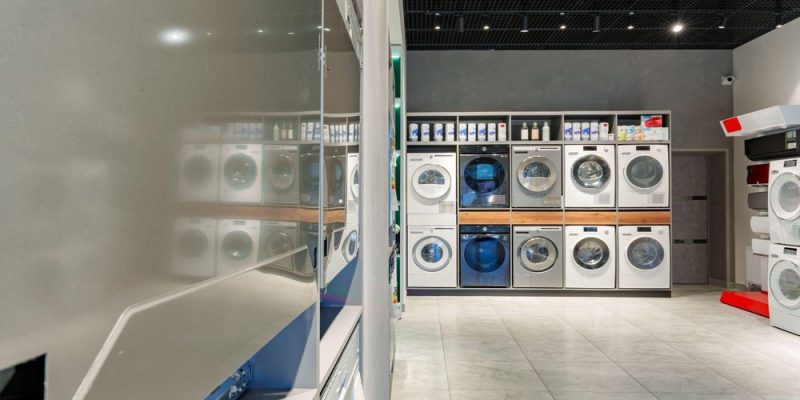
Key Takeaways
- Leasing equipment preserves capital while providing access to professional-grade machinery and support.
- Digital payment systems meet the expectations of modern Singaporean consumers and simplify revenue tracking.
- High-efficiency machines reduce utility costs and decrease the time customers spend in your shop.
Introduction
Self-service laundry owners face practical challenges that can’t be avoided, particularly when they first launch their business. High equipment costs and the logistics of handling coins in Singapore can complicate operations before the first customer even walks in. Traditional setups require regular cash collection and introduce security concerns that demand close monitoring. With the rise of cashless laundry, payment processes are simplified and aligned with customers who prefer digital transactions. At the same time, choosing laundromat equipment for lease reduces upfront spending while providing access to commercial-grade machines. By combining payment systems with flexible equipment arrangements, new operators can create a more manageable and streamlined business model.
1. Evaluating Machine Capacity and Durability
A successful laundry outlet comes from having reliable machines. When you look for laundromat equipment for lease, you must assess whether the units can handle the high-volume usage common in densely populated residential areas. Industrial machines differ significantly from home appliances; they feature reinforced bearings, heavy-duty motors, and larger drum capacities that can process bulky items such as curtains or king-sized comforters. Choosing the right mix of machine sizes ensures that you accommodate various customer needs, from single professionals to large families. Additionally, modern leasing agreements often include maintenance support, which prevents prolonged downtime and ensures your machines stay in peak condition.
2. Implementing Seamless Cashless Laundry Systems
Now that digital payments are more common, relying on coins can alienate a large portion of your potential market. Integrating a cashless laundry solution means your customers no longer need to carry heavy bags of coins or hunt for a change machine. Instead, they tap their phone or card to start a cycle, which significantly speeds up the process and improves overall satisfaction. From a management perspective, digital systems provide real-time data on machine usage and revenue, allowing you to monitor your business remotely through a central dashboard, which reduces the risk of internal theft and simplifies your accounting processes at the end of the month. Digital platforms also enable you to run loyalty programmes or off-peak discounts easily, encouraging repeat visits and maximising your machine utilisation.
3. Assessing Energy and Water Efficiency
Operating costs, particularly utilities, can heavily impact the profit margins of a laundry business in Singapore. When selecting laundromat equipment for lease, prioritising water-efficient and energy-saving models is a practical financial decision. High-spin extractors in modern washers remove more water during the final cycle, which significantly reduces the drying time and electricity consumption of the accompanying dryers. Look for machines with high WELS ratings and energy stars to ensure you are minimising your environmental footprint while keeping your bills manageable. These savings accumulate over time, making your lease more cost-effective in the long run. Moreover, customers increasingly appreciate businesses that adopt sustainable practices, giving you an additional marketing point.
4. Understanding Lease Terms and Maintenance
An advantage of exploring laundromat equipment for lease is the transfer of mechanical risk to the provider. Before signing any agreement, you must clarify the scope of the maintenance and repair services included in the monthly fee. In a high-traffic environment, parts such as door seals, drain valves, and heating elements will eventually require attention. A good lease should provide a guaranteed response time for repairs to ensure your cashless laundry shop remains fully operational. You should also inquire about the possibility of equipment upgrades at the end of the lease term, which ensures that you are never stuck with obsolete technology, allowing you to offer the best possible service to your clients. Clear terms regarding liability and termination help you manage your business with confidence and long-term security.
5. Optimising Shop Layout and User Flow
The physical arrangement of your machines and payment kiosks dictates how comfortably customers can move through your space. Placing your cashless laundry payment station in a central, visible location prevents congestion and makes it easier for first-time users to navigate the system. When coordinating the installation of laundromat equipment for lease, consider the space required for folding tables, seating, and ventilation. A proper user flow ensures that even during peak hours, your shop remains an inviting and efficient space for people to complete their tasks. A well-designed layout also facilitates easier access for technicians during routine maintenance checks. By creating a functional and aesthetic environment, you transform a mundane task into a pleasant experience, which is crucial to sustaining a profitable self-service laundry business.
Conclusion
Managing a laundry business today requires practical systems that reduce daily friction. Moving from coin-based operations to cashless laundry streamlines transactions and lowers the burden of handling physical payments. Choosing laundromat equipment for lease also keeps capital commitments manageable while allowing flexibility to adjust machine numbers as demand changes. Reliable hardware and clear payment processes work together to support steady operations in a competitive environment. When owners prioritise durability, ease of use, and consistent upkeep, the business runs more smoothly and remains responsive to customer expectations.
Contact Fresh Laundry to learn more about leasing options for laundromat equipment.











Comments