
 By
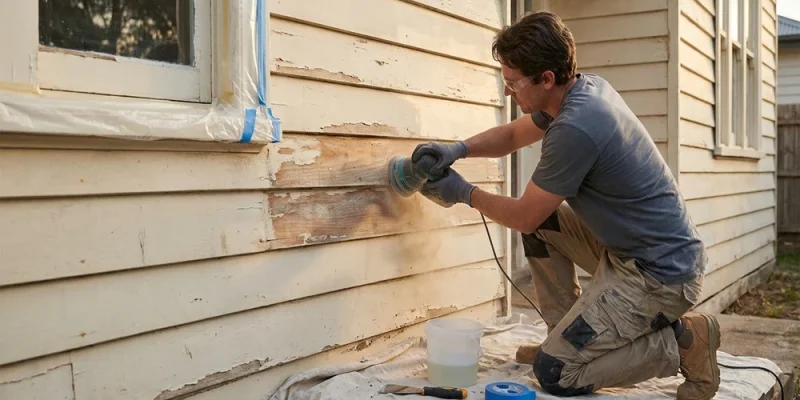
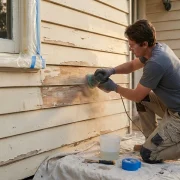
A peeling window sill is easy to ignore. You sand a little, brush on fresh paint, and move on. In a newer house, that is a harmless weekend fix. In an older one, the same ten minutes of sanding can put fine dust into the air that nobody should be breathing. If your Georgetown home was built before 1978, the way a paint job is done matters just as much as the color you pick.
That is why preparation and the crew you choose deserve more attention than they usually get. Working with a Georgetown painting company that treats older homes carefully means the old layers of paint under your walls are handled on purpose, not by accident. The rest of this article explains what is actually at stake and how to protect your household.
The Problem Hiding Under the Paint
Lead was a common ingredient in household paint for decades. The federal government banned its sale for use in homes in 1978, but plenty of that paint is still on the walls. According to the U.S. Environmental Protection Agency, roughly three quarters of the homes in the United States built before 1978 still contain some lead based paint.
The agency is clear that this is not a reason to panic. Children can live safely in these homes as long as paint and surfaces are in good condition and kept clean. The trouble starts when paint deteriorates, peels, chips, or cracks, or when work disturbs it. Surfaces that rub constantly, such as doors and window sills, are the usual culprits, because friction turns old paint into chips and dust. Any renovation, repair, or painting project in a home with lead based paint can easily create hazardous dust, and that is the part that catches homeowners off guard.
Why Ordinary Prep Work Becomes a Concern
Think about what a standard interior paint job involves. Walls get scraped, sanded, patched, and sanded again. Trim gets scuffed so new paint will grip. Old caulk and loose flakes get pulled away. In a newer home, all of that produces ordinary dust. In an older home, those same steps can send lead particles settling onto floors, furniture, toys, and hands.
Young children are the biggest concern because they crawl, touch surfaces, and put their hands in their mouths. Pregnant women are another group the EPA warns about. This is general information, not medical advice, so if you are worried about possible exposure in your household, talk to a doctor about testing.
What the Rules Actually Require
The EPA runs the Renovation, Repair and Painting Rule, often called the RRP Rule. In general, it requires anyone who is paid to disturb painted surfaces in homes, childcare facilities, and preschools built before 1978 to be certified, with employees trained in lead safe work practices. That covers every kind of firm, including a one person operation.
Homeowners get some flexibility. The rule generally does not apply to people doing projects in their own pre 1978 home, though the agency still urges them to follow DIY lead safe practices. It does apply if you rent out all or part of the property, run a childcare center from your home, or buy, renovate, and sell homes for profit. Renters in older buildings can expect their landlord or property manager to follow the rule when work disturbs paint.
The details are laid out on the EPA’s page for the Lead Renovation, Repair and Painting Program, which also includes a search tool for finding certified firms. Keep in mind that some states run their own versions of the program, so it is worth checking what applies where you live.
How to Tell Whether Your Home Needs Extra Care
Start with the age of the house. If it was built in 1978 or later, lead based paint is not a concern. If it was built earlier, assume paint may contain lead until testing says otherwise. A trained professional using an EPA recognized test kit can reliably show that regulated lead based paint is not present when the result is negative, which can save you from unnecessary precautions.
Look at the condition of the paint, too. Smooth, intact surfaces in good shape are lower risk. Cracking, chalking, or peeling paint, especially near windows and doors, deserves attention before any new coat goes on.
Questions Worth Asking Any Painter
Before you sign an estimate for an older home, ask a few direct questions and listen closely to the answers.
- Is your firm certified in lead safe work practices, and can you show proof?
- How will you contain dust, and how will you protect floors and furniture?
- Will you test the paint before sanding or scraping?
- How will you clean up at the end of each day and at the end of the job?
- What happens to the debris and any leftover materials?
A contractor who answers confidently and in specifics is a good sign. Vague replies or a shrug about “just a little dust” are a reason to keep looking.
If You Decide to Do It Yourself
Plenty of homeowners paint their own older homes, and the EPA publishes guidance for doing it more safely. The core ideas are simple: keep children and pets away from the work area, seal off the room with plastic sheeting, avoid dry sanding and open flame, mist surfaces lightly before scraping, and clean with a HEPA vacuum and wet wipes instead of sweeping. Wash your hands and change clothes before leaving the work area so dust does not travel through the house.
Beautiful Walls and a Healthy Home Can Go Together
An older house has character that new construction cannot copy, and repainting it is one of the best ways to bring that character back. It just calls for a little more care than a newer build. Know the age of your home, understand what the rules expect from the people doing the work, and ask real questions before anyone picks up a scraper.
Handled thoughtfully, a repaint can protect your family and your property value at the same time. The fresh coat is the visible part. The careful prep underneath is what keeps the house safe for everyone who lives there.



Comments