

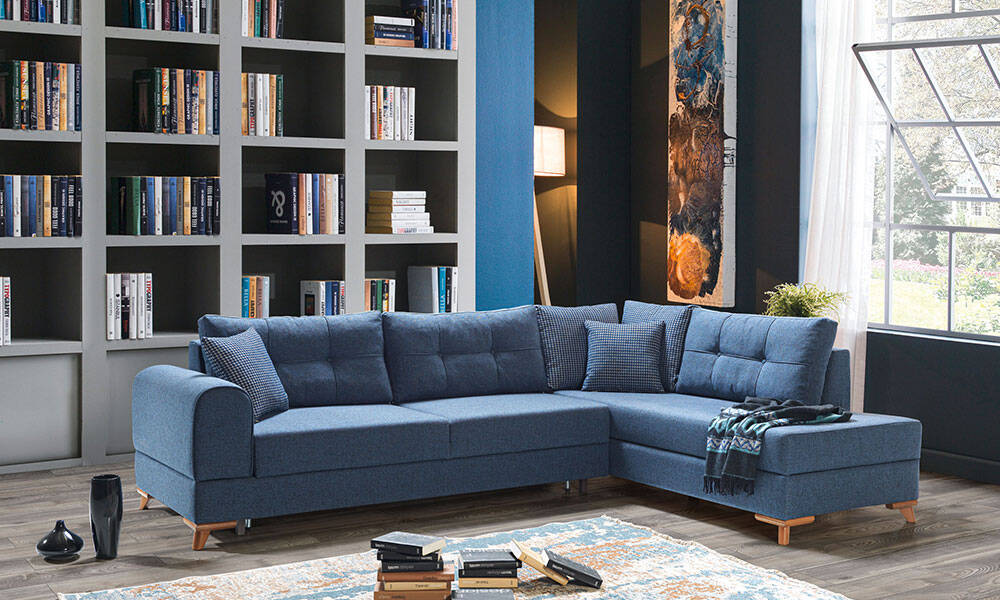
The sofa is often the centerpiece of a living room, setting the tone for the entire space. Choosing the right piece requires careful consideration of both style and function. A well-selected sofa not only enhances the visual appeal of a room but also supports the way you live, providing comfort, durability, and flexibility. Achieving a polished, coordinated look depends on selecting a sofa that balances aesthetic appeal with practical needs.
The first step in choosing a sofa is understanding the scale and layout of your space. Measuring the room and considering traffic flow are critical to ensuring the sofa fits comfortably without overwhelming the area. In smaller rooms, compact sofas or apartment-sized models may be more suitable, while larger spaces can accommodate sectional designs or extended seating arrangements. Be mindful of leaving enough clearance for movement, pathways, and access to other furniture or focal points in the room.
Style is an essential factor in determining which sofa will complement your interior design. Consider the overall aesthetic of your space, whether it leans toward modern, classic, transitional, or eclectic. A sofa should harmonize with other furniture pieces, flooring, and decorative elements. Upholstery choices, such as fabric versus leather, can influence both the appearance and maintenance of the sofa. While a plush velvet may convey luxury and warmth, a durable linen or performance fabric offers versatility for everyday use. Consulting Coleman Furniture reviews can provide insight into quality, comfort, and style, helping to guide decisions without overwhelming the selection process.
Comfort is equally important. Testing a sofa for firmness, seat depth, and back support ensures it meets functional needs. Consider how the sofa will be used—whether primarily for entertaining, lounging, or daily family use. Cushions should provide support while maintaining their shape over time, and the frame should be sturdy enough to withstand regular use. Removable cushions and washable covers can add practicality, particularly in spaces where the sofa is heavily used.
Color and pattern influence the cohesion of a living room. Neutral tones provide flexibility and are easy to coordinate with existing décor, while bolder colors or patterns can serve as a statement piece. If a sofa is intended to be the focal point, richer hues or unique textures can add visual interest. When choosing patterns, consider the scale in relation to the size of the room—large patterns can dominate a small space, while subtle patterns may enhance a room without competing with other elements. Coordinating fabrics and finishes with surrounding furniture helps create a polished, intentional appearance.
Configuration and versatility are critical considerations, especially in multifunctional spaces. Sectional sofas, modular pieces, and loveseats offer flexibility, allowing arrangements to adapt to changing needs. A sofa with a chaise or pull-out components can provide additional seating or lounging areas without requiring extra furniture. Understanding how a sofa will interact with other pieces in the room, including coffee tables, side tables, and accent chairs, ensures the layout remains balanced and functional.
Material and construction quality determine how well a sofa will hold up over time. Solid wood or metal frames provide durability, while high-density foam cushions retain shape and support. Upholstery material should be evaluated for both appearance and practicality. Fabrics that are stain-resistant or easy to clean enhance longevity and usability, while leather offers elegance and can develop character over time. Selecting pieces known for craftsmanship and reliability ensures a sofa that remains a centerpiece for years to come.
Proportion and symmetry help maintain visual balance in a living room. A sofa should relate to the scale of other furniture pieces, including tables, chairs, and storage units. Low-profile sofas may suit contemporary, minimalist spaces, while deeper, more substantial designs can anchor larger rooms. The relationship between seat height, depth, and arm width impacts both comfort and aesthetics, creating harmony within the room.
Accessories and styling elevate a sofa from functional to beautiful. Throw pillows, blankets, and coordinated rugs enhance comfort while contributing to a cohesive look. Choosing textures, colors, and patterns that complement the sofa and the room’s overall design adds depth and personality without appearing cluttered. Even subtle touches, such as accent lighting nearby, can highlight the sofa as a focal point while reinforcing the polished, intentional atmosphere of the space.
Ultimately, choosing a sofa that fits both your style and your life involves balancing multiple factors. Scale, layout, comfort, material, and aesthetics all play a role in creating a piece that supports everyday living while enhancing the room’s visual appeal. Thoughtful selection ensures the sofa integrates seamlessly with surrounding furniture, textiles, and decorative elements, resulting in a coordinated and refined space.
A well-chosen sofa becomes more than just a piece of furniture—it defines the character of a room. By combining quality, style, and functionality, it serves as a foundation for design and comfort. Taking the time to evaluate options, test comfort, and consider the impact on the overall space allows for confident decisions that align with both lifestyle and interior design goals. With attention to proportion, materials, and coordination, a sofa can transform a living area into a space that feels polished, cohesive, and welcoming, reflecting a balance of elegance and practicality in every detail.