
Terraced houses are a large part of the UK housing market. Many sit in busy cities and established suburbs. These homes often provide structure and location, yet interior space can feel limited. A well-designed loft conversion for a terraced house solves this. The roof space becomes a valuable new floor. Owners gain extra rooms without losing the garden area.
The key lies in smart design. Every centimetre counts. Good planning turns a compact roof space into a comfortable and attractive living area. For a detailed overview of structural options and costs, the GreenMatch guide to terraced house loft conversions explains the most common conversion types and what homeowners can expect when planning a project. :contentReference[oaicite:0]{index=0}
Rear Dormer Loft Conversion for Maximum Space
A rear dormer loft conversion remains one of the most practical ideas for terraced properties. Builders extend the rear roof slope to create a vertical wall. This simple structural change increases headroom and usable floor area.
Terraced homes usually share side walls with neighbouring houses. A rear dormer avoids major alterations to the visible front roofline. Many councils allow this work under permitted development rules if it stays within defined limits. :contentReference[oaicite:1]{index=1}
The new space suits several layouts:
- Large double bedroom
- Bedroom with en suite
- Home office with storage
- Guest room
Straight walls improve furniture placement. Wardrobes, desks, and beds fit easily. Large windows also bring strong natural light into the new room.
L-Shaped Loft Conversion for Period Terraces
Victorian and Edwardian terraced houses often include a rear extension at the ground floor level. This structure creates the base for an L-shaped loft conversion.
Builders construct two dormer sections. One sits on the main roof. The second extends over the rear addition. Together, they form an L shape when viewed from above.
This design creates an impressive internal space. The layout often supports:
- Two bedrooms
- Bedroom and bathroom
- Master suite with dressing area
Many families choose this option because it delivers several rooms instead of a single loft bedroom. The result feels like an extra floor within the house.
Velux Loft Conversion for Simple Transformation
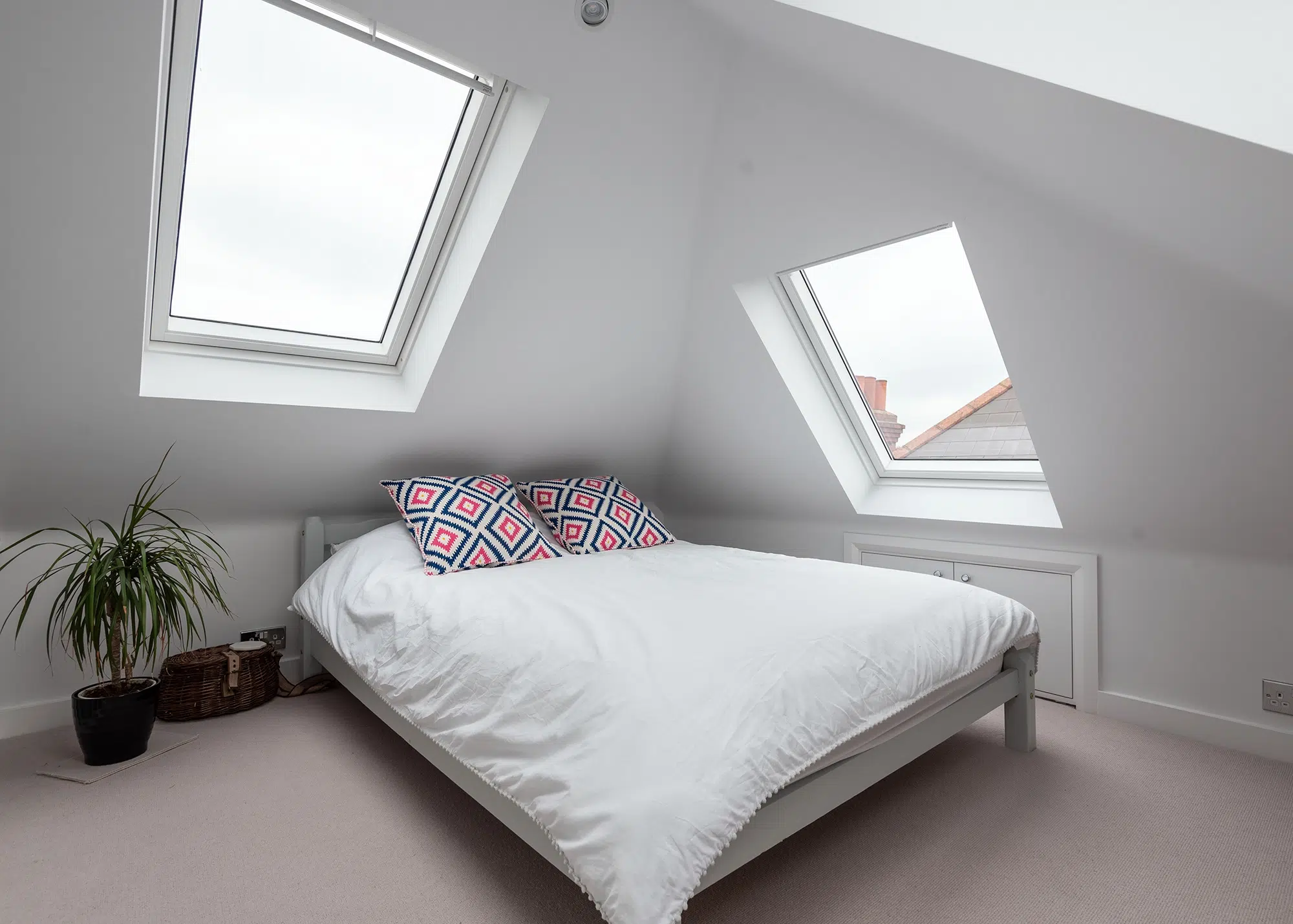
Some terraced homes already offer sufficient loft height. In these cases, a Velux loft conversion provides a clean and cost-effective solution.
Builders keep the roof structure intact. They install roof windows directly into the existing slope. The interior receives insulation, flooring, and a staircase connection.
The sloping ceiling remains visible. This feature adds character to the room. Roof windows allow daylight to flood the space from above.
Homeowners often use this style for:
- Home offices
- Creative studios
- Quiet reading rooms
- Guest bedrooms
The construction period remains shorter compared with structural extensions.
Master Bedroom Suite in the Loft
One of the most popular ideas involves turning the loft into a private master bedroom suite. Terraced homes often contain smaller bedrooms on the main floors. The loft provides space for a larger retreat.
A well-planned suite can include:
- Double bedroom
- Walk-in wardrobe
- En suite shower room
- Built-in storage
Positioning the bed beneath the highest part of the roof improves comfort. Storage units can fit neatly under sloping ceilings. Skylights or dormer windows create a bright and calm atmosphere.
This layout separates the main bedroom from the rest of the house. Many homeowners value this sense of privacy.
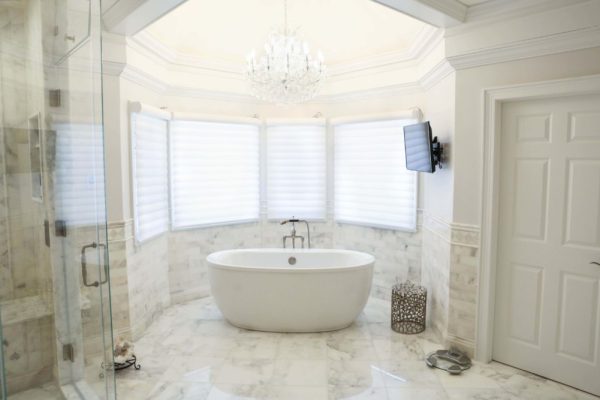
Compact Loft Bathroom Design
A loft bathroom transforms the practicality of a terraced house. Older properties often contain a single bathroom shared by the entire household. Adding a new bathroom in the loft solves daily congestion.
Smart planning allows efficient use of space:
- Walk-in shower units
- Wall-mounted toilets
- Slimline basins
- Roof windows for ventilation
Position plumbing close to existing pipe routes whenever possible. This approach reduces complexity and installation cost. Good lighting and neutral finishes also make the room feel larger.
Built-In Storage for Sloping Roof Areas
Terraced loft conversions often include angled ceilings. These slopes create awkward corners that standard furniture cannot use. Custom storage solves this challenge.
Joinery can transform unused areas into practical storage features such as:
- Under eaves wardrobes
- Hidden drawers
- Shelving units
- Low cabinets
This approach keeps the main floor area clear. The room feels open and organised. Built-in solutions also create a polished finish that suits modern interiors.
Loft Home Office for Modern Living
Remote work continues to influence housing design. A loft home office provides quiet separation from the rest of the house.
The elevated location reduces noise from ground-floor living areas. Roof windows deliver excellent daylight throughout the day. A well-designed office often includes:
- Large desk space
- Shelving systems
- Integrated lighting
- Strong internet connectivity
Many homeowners also include a small sofa or reading chair. This creates a flexible workspace that supports both work and relaxation.
Natural Light and Window Placement
Light transforms a loft conversion. Terraced homes often sit close together, so smart window placement becomes important.
Roof windows bring daylight from above. Dormer windows extend views across gardens and rooftops. Combining both types creates a balanced interior.
Designers often position windows to highlight key areas such as:
Natural light also improves the sense of height inside the loft.
Smart Loft Conversion Design for Terraced Homes
A carefully planned loft conversion for a terraced house can change the entire property. Extra bedrooms, workspaces, and bathrooms bring real everyday value. The home gains space without sacrificing the garden or outdoor areas.
When the design uses efficient layouts, built-in storage, and strong natural light, the loft becomes one of the most appealing parts of the house. Buyers also value this extra floor, which can increase overall property appeal and long-term market value.