
Choosing the right carpet for your home can transform both the look and feel of your space. With so many options available, it’s easy to feel overwhelmed. Among the popular choices, sisal carpets and synthetic carpets stand out—but they serve different needs. Understanding their benefits, drawbacks, and ideal applications will help you make an informed decision for modern home interiors.
Understanding Sisal Carpets
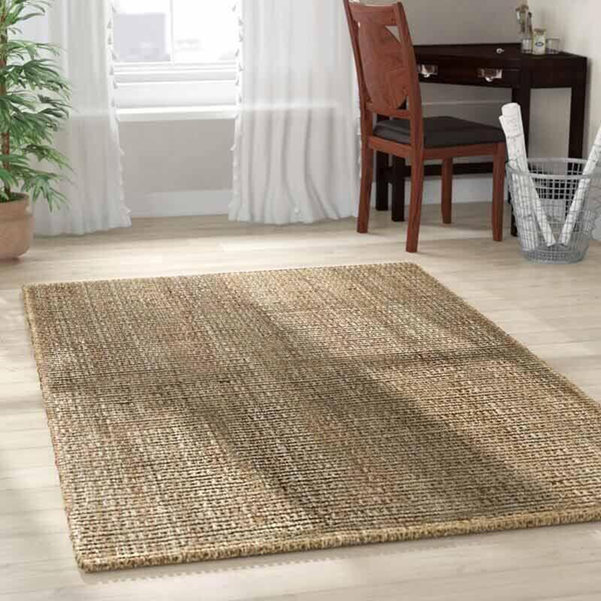
Sisal carpets are made from natural fibers derived from the leaves of the agave plant. They are known for their durability, eco-friendliness, and unique texture. Here’s why sisal carpets are gaining attention in modern homes:
Natural and Eco-Friendly: Sisal is a renewable resource and biodegradable, making it a sustainable choice for environmentally conscious homeowners.
Durable: The tightly woven fibers resist wear and tear, making them ideal for areas with heavy foot traffic.
Textured Aesthetic: Sisal carpets have a natural, earthy look that adds warmth and sophistication to living spaces.
Hypoallergenic: The natural fibers resist dust and allergens, making them suitable for homes with allergy-sensitive individuals.
However, sisal carpets do have limitations. They are less resistant to moisture and stains, so they may not be ideal for bathrooms, kitchens, or areas prone to spills.
Understanding Synthetic Carpets
Synthetic carpets, made from materials like nylon, polyester, and polypropylene, have dominated the carpet market for decades. They are engineered to offer durability, versatility, and affordability. Key features include:
Wide Variety: Synthetic carpets come in countless colors, patterns, and textures, allowing homeowners to match any interior style.
Stain Resistance: Many synthetic options are treated to repel stains and spills, making them ideal for kitchens, dining areas, or homes with children and pets.
Affordability: Synthetic carpets are generally more budget-friendly compared to natural fiber options.
Easy Maintenance: These carpets are easier to clean, often requiring simple vacuuming and occasional professional cleaning.
Despite these advantages, synthetic carpets are not as eco-friendly as sisal. They are made from petroleum-based products, which are non-biodegradable and contribute to environmental waste.
Comparing Durability
When it comes to durability, both sisal and synthetic carpets have strengths—but in different ways.
Sisal: Extremely durable for foot traffic due to its dense natural fibers, but can fray or stain if exposed to moisture. It’s best for living rooms, hallways, and offices.
Synthetic: Resistant to stains, fading, and wear, making it suitable for high-traffic areas and homes with pets or children. Nylon, in particular, is known for long-lasting performance.
In short, if you want a natural, long-lasting carpet for dry areas, sisal is ideal. If you need stain-resistant, easy-care flooring, synthetic carpets perform better.
Comparing Style and Aesthetic
Sisal and synthetic carpets offer distinct aesthetic experiences:
Sisal: Offers a natural, textured appearance. Its neutral tones and earthy textures complement modern, minimalist, Scandinavian, and eco-friendly interiors. It adds an organic, tactile element to any room.
Synthetic: Offers infinite customization. You can choose bright colors, bold patterns, plush textures, and even mimic the look of natural fibers. Synthetic carpets are versatile, allowing homeowners to match any interior design.
Your choice depends on whether you prioritize natural elegance (sisal) or design flexibility (synthetic).
Comparing Maintenance and Care
Maintenance is another key factor in choosing the right carpet.
Sisal: Requires regular vacuuming and spot cleaning. Avoid excessive moisture, as sisal can absorb water and stain easily. Use rugs or mats in areas prone to spills.
Synthetic: Easier to maintain, often stain-resistant, and can tolerate regular cleaning, including wet cleaning. Ideal for busy households where spills and dirt are common.
Cost Considerations
Sisal carpets are generally more expensive due to the natural fibers and labor-intensive production process. They are an investment in sustainability and longevity. Synthetic carpets, on the other hand, are budget-friendly and widely available in various price ranges, making them accessible to more homeowners.
Which Carpet Is Better for Modern Homes?
The answer depends on your priorities:
Choose Sisal If: You value sustainability, natural aesthetics, durability in dry areas, and hypoallergenic properties. Sisal is perfect for living rooms, offices, and bedrooms where style and environmental impact matter.
Choose Synthetic If: You need affordability, stain resistance, easy maintenance, and a wide range of design options. Synthetic carpets are ideal for kitchens, kids’ rooms, high-traffic areas, and homes with pets.
Some homeowners even combine both: sisal for common living areas and synthetic carpets for areas prone to spills or heavy wear. This approach provides a balance between natural elegance and practicality.
Conclusion
Both sisal and synthetic carpets have unique advantages for modern homes. Sisal brings eco-friendly durability and a natural, sophisticated look, while synthetic carpets offer versatility, affordability, and easy maintenance. By considering your home’s needs, lifestyle, and design preferences, you can choose the Sisal Carpet Dubai that perfectly complements your space.
Ultimately, whether you prioritize sustainability, style, or convenience, both options have a place in contemporary interiors. Understanding the differences ensures your choice enhances your home’s comfort, functionality, and aesthetic appeal for years to come.