
 By
By 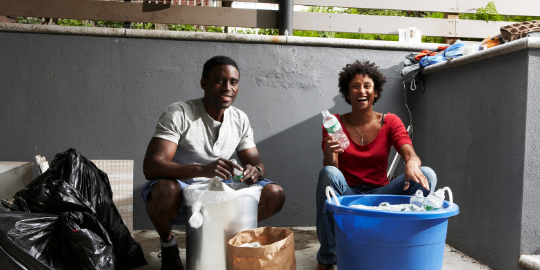
Burbank’s commitment to clean neighborhoods and thriving businesses depends on practical, eco-minded waste solutions that are easy to use. Whether you’re clearing a garage, renovating a storefront, or managing a construction site, the right approach to disposal determines how much material is reused, recycled, or landfilled. This guide explains how accessible dumpster rentals and modern recycling systems work together to keep streets tidy and reduce environmental impact. You’ll find clear steps for selecting the right container, handling materials responsibly, and staying compliant with local guidelines. If you’re ready to Explore More efficient options without sacrificing sustainability, you’ll discover how individual choices add up to citywide benefits.
Accessible Dumpster Rentals for Homes and Worksites
Picking the right dumpster starts with an honest estimate of what you’ll toss and how quickly you want the job done. For small cleanouts or yard refreshes, a compact container can handle household junk, dirt, or brush without blocking driveways or sidewalks. Larger projects—such as multi-room remodels or roof tear-offs—benefit from mid to large containers that allow workers to keep debris off the ground, improving safety and speed. Clear pricing and scheduled haul-aways remove guesswork, so projects stay on timeline and within budget. With dependable Burbank Dumpster Rental options, residents and contractors can scale container size and frequency of service to match real-world needs.
Choosing the Right Size and Timeline
The easiest way to avoid extra hauls and overage fees is to size up slightly when you’re unsure, then coordinate pickup timing with project milestones. Ask about weight limits and prohibited items before delivery; these details influence how crews load the container and where materials ultimately go. If you’re juggling multiple subcontractors, plan around peak debris days—such as demolition or landscape removal—to prevent overflow. Good providers offer quick swaps or extra pickups during busy phases, then taper service as the site transitions to finishing work. By balancing capacity with a flexible schedule, you maintain a tidy jobsite and create a clear path for recycling and reuse to thrive.
Green Disposal Practices That Reduce Landfill Pressure
The easiest way to cut landfill volume is to separate materials at the source, because clean streams are cheaper to process and more likely to be repurposed. Designating bins or dumpster sections for wood, metal, cardboard, and green waste helps prevent contamination, which is the main reason recyclable loads get redirected to trash. Many providers offer labeled containers and signage, making it simple for crews to sort accurately under time pressure. Residents can use the same approach during home cleanouts by grouping donations, e-waste, and bulky items, then loading recyclables before mixed debris. When these habits become routine, landfill reduction becomes a consistent outcome rather than an occasional win.
Sorting, Reuse, and Reduction
Consider what can be donated or resold before it hits the dumpster; fixtures, tools, and furniture often have a second life. For mixed debris, keep wet or dirty materials away from paper and cardboard to protect their value in the recycling process. Green waste, such as brush and leaves, can be mulched or composted, diverting airspace from landfills and returning nutrients to local soils. Metal, concrete, and clean lumber are strong candidates for recycling, and they frequently command better processing rates. By pairing thoughtful sorting with service options that accept dedicated streams, you reduce disposal volume and encourage a culture of reuse across neighborhoods and job sites.
Reliable Pickup Schedules That Maintain Clean Communities
Consistent service is the backbone of neighborhood cleanliness, because predictable pickups prevent overflow, litter, and pest issues. When bins are emptied on time, sidewalks stay clear and businesses maintain curb appeal, which matters for foot traffic and local pride. Route optimization tools allow haulers to adjust for traffic, construction, and special events so disruptions don’t cascade into messy streets. Clear communication—alerts before arrival, status updates, and quick scheduling changes—helps property managers and homeowners plan ahead. Partnering with a provider that values punctuality is as important as choosing the right container size.
Service Consistency and Communication
For homeowners and site supervisors, small communication habits reduce big headaches. Consider:
- Signing up for pickup alerts or text confirmations.
- Requesting photo verification of container placement and post-service condition.
- Keeping a simple calendar tied to project milestones and city holidays.
If a delay occurs, prompt updates help teams adjust staffing and keep debris contained. By combining real-time notifications with service reliability, Burbank Dumpster Rental schedules make it easier to maintain order, avoid fines, and reduce the visual clutter that can erode community quality of life.
Recycling-Focused Methods Supporting Environmental Goals
Recycling succeeds when systems are designed for clarity, convenience, and measurable results. Materials recovery facilities rely on clean inputs; when loads arrive with minimal contamination, sorting lines move faster and commodity quality improves. Transparent reporting—diversion rates, contamination percentages, and tonnage by material—helps residents and businesses see the impact of their efforts. Incentives, such as lower rates for clean loads or credits for repeated high-performance sorting, keep participation strong over time. For those wanting to Explore More advanced options, audits and on-site training can fine-tune programs to match the exact waste profile of a home, office, or worksite.
From Curb to Circular Economy
A recycling-focused approach extends beyond the bin to consider what happens after processing. Local manufacturers benefit when cardboard, metals, and plastics return to supply chains as reliable, high-quality feedstock. Builders can specify products with recycled content, helping close the loop on what their projects generate as waste. Retailers and restaurants can standardize packaging to reduce confusion and boost recovery rates. When residents, businesses, and service providers align their choices, the city’s waste stream shifts from a disposal problem to a resource pipeline that supports long-term environmental goals.
Sustainable Waste Handling for Construction and Landscaping
Construction and landscaping produce heavy, bulky materials that require careful planning to keep disposal safe, compliant, and cost-effective. Estimating both volume and weight matters, because mixed debris, concrete, and soil carry different fees and handling rules. Separating clean concrete or asphalt often pays off, as these materials can be crushed and reused in road base or new construction. Landscaping projects benefit from dedicated green waste containers that keep organic materials out of landfills and lower contamination across the board. Coordinating deliveries, staging, and debris removal prevents pileups that can obscure hazards and slow crews.
Project Planning for Waste Efficiency
Start by mapping debris generation to project phases: demolition, rough grading, framing, finishing, and landscaping. Reserve containers for each phase or material stream whenever space allows, and post clear signage to guide crews in a hurry. For heavy materials, load evenly and avoid exceeding fill lines; safe weights protect roadways and keep hauls compliant with transportation regulations. Builders pursuing certifications like LEED should track diversion rates and request documentation from providers to verify performance. With the right planning and Burbank Dumpster Rental services, construction and landscaping projects can control costs, minimize climate impacts, and leave cleaner sites behind.
How Eco-Friendly Rentals Help Build Long-Term Urban Health
Cleaner streets and responsible disposal directly influence public health outcomes, from fewer vermin to reduced airborne particulates around busy worksites. Less overflow and litter mean fewer storm drain blockages and lower risks of localized flooding during heavy rains. Recycling and composting help cut greenhouse gases associated with landfills, supporting climate resilience and air quality improvements. Jobs in materials recovery and repair add local economic value while reinforcing a culture of stewardship. Over time, these intertwined benefits make neighborhoods more livable, attractive, and resilient to environmental stressors.
Neighborhood Benefits Beyond Cleanups
Urban health is more than spotless curbs; it’s about how well systems support people where they live and work. Eco-conscious rentals encourage source separation, which reduces diesel-heavy hauls and keeps waste streams efficient. Safer, well-managed sites decrease injury risks for workers and passersby, particularly in busy commercial corridors. Transparent data reporting helps policymakers target investments where they will reduce litter, enhance recycling, and improve equity across districts. When communities choose services that emphasize prevention and performance, they set in motion habits that last well beyond a single project.
Waste Solutions That Align With Burbank’s Sustainability Vision
City goals around zero waste, clean air, and climate action come to life when everyday services make the sustainable choice the easy choice. Education campaigns, clear signage, and responsive customer support help residents and businesses understand what belongs in each container and why it matters. Data-driven planning allows providers to fine-tune routes, container placements, and material recovery strategies in step with local needs. Strategic partnerships with schools, nonprofits, and major employers amplify participation, turning recycling and waste reduction into a shared civic project. With Burbank Dumpster Rental options that prioritize diversion and reliability, the city’s sustainability vision becomes practical at every address.
Putting Policy Into Practice
Policy succeeds when it’s paired with tools people can immediately use. Business owners can request waste audits, right-size their containers, and set staff training schedules to reduce contamination. Homeowners can coordinate donation pickups before renovation days and keep hazardous items out of mixed loads. Contractors can specify recycled-content materials and require sorted debris handling on contracts to reinforce expectations. For readers who want to Explore More, asking providers for diversion reports, signage kits, and clean-load discounts is a simple way to turn intent into measurable results that strengthen Burbank’s long-term environmental progress.









Comments