
 By
By 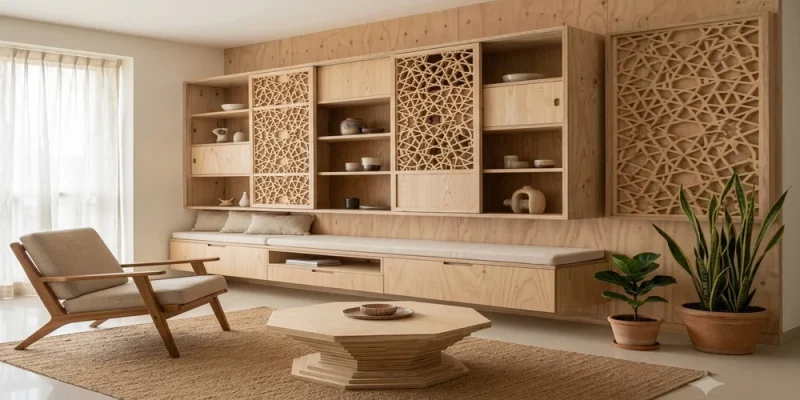
Choosing the most suitable Moisture Resistant (MR) plywood is one of the important decisions that impacts the quality, functionality, and appearance of the furniture and interior projects. While Moisture Resistant plywood is popular in residential applications, not all products available in the market can guarantee the same degree of quality. The quality of MR plywood is derived based on various aspects, including the core construction process, bonding quality, production process quality, thickness level, and the purpose for which it is intended. Asking pertinent questions about buying Moisture Resistant plywood enables homeowners, architects, furniture manufacturers, and interior designers to make the right choices and have effective results.
Is the Plywood Suitable for the Intended Application?
The first question that must be asked is whether the plywood is designed for its intended purpose. Moisture-resistant plywood is intended for indoor usage in environments where water exposure is restricted. Therefore, its usage is quite common for the production of wardrobes, cabinets, bookshelves, TV units, office furniture, study tables, and other residential furniture. Thus, choosing plywood according to its purpose leads to improved performance level and durability.
What Is the Quality of the Core Construction?
Plywood core quality is one of the main features taken into consideration while evaluating the product. Buyers are interested in whether the plywood has a solidified and properly bonded core without gaps. The objective of a robust core is to improve the furniture’s strength, consistency in dimensions, and longevity.
What Type of Bonding Technology Is Used?
The bonding technique provides information about the behaviour of veneer layers in the process of using plywood. The use of high-quality adhesive enables improving some characteristics of MR plywood, thus ensuring its efficiency in case of usual indoor humidity. Good bonding should also minimise the chance of veneers’ separation over time.
Does the Surface Support Premium Finishes?
The surface quality is one of the most important aspects influencing the final results of the furniture production process. It is easy to apply different finishing materials, including laminate, veneer, and paint, when the surface is smooth and well-prepared. Therefore, the surface has to be analysed before purchasing.
Is the Thickness Right for the Project?
Different purposes require different thicknesses of plywood. Heavy and durable furniture such as cabinets, closets, and shelves is expected to be made from plywood that is of a higher durability than lightweight and decorative types of furniture. Thus, the right thickness is necessary to produce a functioning plywood product.
Is the Plywood Manufactured to Quality Standards?
The production process of wood determines the durability and usability characteristics of MR plywood. The presence of good production methods guarantees the beneficial properties of plywood such as dimensional stability, bonding quality, and surface finish.
Is the Manufacturer Reliable?
When purchasing plywood from a company with a good reputation, a customer can be certain that its quality is consistent. A reliable brand adheres to strict quality control principles and standards of production.
Has the Plywood Been Stored Properly?
Moisture-resistant plywood storage practices affect its quality. Plywood should be kept on a flat surface in a dry area that is well-ventilated and protected against humidity or sunlight. Good storage contributes to maintaining the shape, sides, and surface of plywood and contributes to its proper use. Being aware of these practices gives buyers confidence that the plywood is in good condition throughout its transport.
Can the Plywood Be Easily Fabricated?
It is good to know whether the plywood is suitable for operation before buying it. Construction operations like cutting, drilling, or edging can have different requirements. Using plywood that is good for machining improves the quality and efficiency of operations. This question should be asked in order to select plywood that is compatible with project requirements.
Are the Product Specifications Available?
It is important to make sure that the manufacturer provides product specifications necessary for correct plywood selection. Information about sheet dimensions, possible thicknesses, and intended applications can help to determine whether plywood is appropriate for the specific project. Knowing the specs allows a customer to compare the products when making a choice.
Is the Plywood Suitable for Future Modifications?
There are cases when interior requirements change or evolve, and it is necessary to know if the selected plywood is suitable for these changes. Buyers need to know whether the plywood can be modified or renovated without the need to purchase new plywood. Making the right choice of plywood allows customers to make a good investment and to avoid inconveniences in the future.
Does It Match the Overall Interior Plan?
It is also necessary to ask if the plywood selected is suitable from the interior concept point of view. Factors, like furniture positioning, selection of finishing, or the design theme affect the scope of future modifications.
Conclusion
Knowing the answers to the right questions is necessary before buying MR plywood in order to achieve the required characteristics of the purchased product. Evaluating the aspects of usage, core, bonding, surface quality, thickness, production, and brand shall be enough to get MR plywood that functions properly and is durable.











Comments