
 By
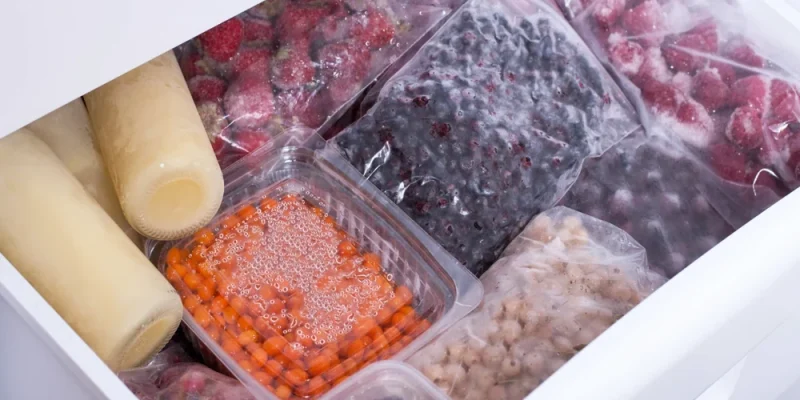
Open freezer bags become easier to use when you can see what each contains and connect it to a real meal. Begin with the food already there, preserve the package information, and write a short note about what to cook next. An elaborate inventory is unnecessary if it will not be maintained. The useful change is making an existing dinner easier to notice.
Bring the forgotten bags into view
Inspect one section at a time rather than emptying the freezer into a prolonged sorting project. Keep frozen food under appropriate storage conditions while you work. You are looking for readable names, the distinction between open and unopened packages, and enough space to reach them. A bag behind a stack of containers may be perfectly familiar once you can see its label.
Start by asking what is open, not what looks most attractive. An unopened package at the front can distract from a partial bag that already has a place in next week’s dinner. Put the opened item where it is easy to identify without blocking the appliance’s required clearances. Visibility is useful only when the arrangement still lets the freezer operate properly and the drawer close normally.
Group foods by a plausible next use rather than by package color. A bag of dumplings and a separately stored vegetable might belong to the same dinner plan, even though they look unrelated on the shelf. This does not mean mixing the foods or discarding their individual information. It means placing or noting them so the planned combination is apparent when you open the freezer.
If you are considering another purchase, first compare it with what you already have. For example, the Holy Perogy range for Virginia Beach includes Crazy Wild Mushroom, a full-size plant-based variety with potato, onion, white, portabello and porcini mushrooms. If that is the filling already open at home, choose its next meal before buying another bag simply because you recognize the name online.
Do not let organization turn uncertain food into apparently verified food. If a package has lost its identity or you cannot establish how it has been stored, a neat label does not solve that uncertainty. Resolve the information problem rather than guessing from shape or color. This is especially important when similar dumplings could have different fillings or when cooked leftovers resemble uncooked products.
Keep cooking directions with the food
An opened bag still needs the details it carried when it was new. Preserve the product name, ingredients, storage directions and preparation instructions. If you fold or clip the package, avoid hiding the section you will need next time. A tidy bundle that requires unfolding everything to discover what it is may quickly return to the back of the freezer.
Holy Perogy products are frozen and uncooked, so the package instructions remain relevant after the first meal. Do not assume that the remaining contents can be treated as reheatable leftovers. The fact that you cooked some dumplings yesterday says nothing about the uncooked portion still in the bag. Keep the distinction clear for anyone else who may prepare dinner.
A secondary container can help contain a package, but it should not erase the label. If you use one, make the connection between the food and its original information obvious. Avoid combining two partially used varieties just because they fit in one vessel. A mixed container makes it harder to know which filling is being served and may complicate the preparation decision.
A phone photo can supplement the package when the print is difficult to access, provided the photo is complete and legible. Include the relevant product identity and directions rather than only the front design. Store it where another household member can find it if needed. It is a backup for information, not a reason to ignore the current label or assume all varieties share instructions.
Copy useful storage information from the package onto the note if the original is awkward to read in place. Keep the original label as well, so a short reminder does not replace the fuller directions. An opening date can help you recall the package’s history; use the product information and appropriate food-safety guidance when deciding how to store and use the contents.
Write a short use-next note
Turn the visible bag into an action. “Mushroom pierogies with the greens in the refrigerator” is more useful than “use freezer food.” The first note names a meal you can picture and tells you what fresh ingredient to look for. It also lets you notice whether you need one small supporting item rather than another main food.
Keep the note brief enough to update after dinner. A phone list, a piece of paper on a cupboard or a household message can all work. The tool matters less than whether it reflects what is actually there. If a roommate finishes the bag, remove the meal from the list rather than leaving a dinner promise that no longer exists.
Choose a realistic evening for that meal. An open package does not need an elaborate recipe to justify its use. Crazy Wild Mushroom could be the starting point for a savory dinner with a familiar vegetable side and a bright finish. Follow its cooking directions and let the accompanying food fit your ordinary routine. The intention is to use a known filling, not launch a kitchen project.
After the meal, reassess the remaining supply before adding groceries. Perhaps the bag is finished, perhaps there is enough for another occasion, or perhaps a different opened item should move forward. That small review keeps the arrangement current. It is easier to maintain a visible next meal than a detailed record of every object in the appliance.
Let the next freezer purchase answer a gap you can name. Until then, the opened bag with a readable label and a dinner attached to it deserves the front position.











Comments