
 By
By 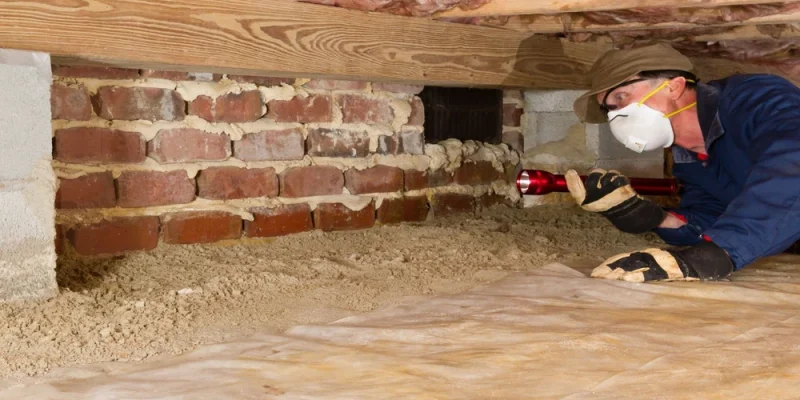
Most homeowners never give the space under the floor a second thought. It is dark, it is unpleasant to enter, and nothing about it seems connected to what arrives in the mail every month.
That instinct turns out to be expensive. Air does not stay put inside a house. It moves upward, and a surprising share of what you breathe on the main floor started its journey in the crawl space.
Understanding Why the Crawl Space Matters
Warm air rises and escapes through the upper part of a house, and something has to replace it. That replacement air gets pulled in through the lowest opening available, which in most homes means the crawl space.
The practical result is that crawl space conditions become house conditions. Damp air below translates to damp air above. Cold air below means cold floors and a furnace running longer than it should just to keep even.
Vented crawl spaces were built on the assumption that outside air would dry the space out. In Western Oregon, where winters run long and wet, that assumption falls apart. Humid outdoor air meets cooler surfaces beneath the house and condenses there, leaving the space wetter than it was to begin with.
Sealing Out the Moisture That Drives the Bill
Encapsulation goes after the problem at its source. A heavy vapor barrier is laid across the ground and carried up the foundation walls, vents are closed and sealed, and the gaps around the rim joist get air sealed.
Moisture matters financially because damp air is harder to condition than dry air. Your system spends energy pulling water out of the air before it can make any progress on temperature. Drier air is simply cheaper to heat and cool.
The structural argument runs alongside the financial one. Moisture is what rots framing and feeds the mold and pests that follow it, and none of that gets less expensive with time.
Getting this right depends heavily on the crew. Encapsulation is a system rather than a product, and a barrier installed over unaddressed drainage, or a space sealed with no plan for managing humidity, can introduce problems that were not there before. Companies such as Josh Lowe’s Dr. Energy Saver, which works throughout Western Oregon and evaluates homes with diagnostic testing before recommending anything, treat the assessment as the first half of the job.
Insulating Where the Heat Actually Escapes
Once the space is sealed, insulation belongs on the foundation walls rather than stuffed between the floor joists. That single change pulls the crawl space inside the home’s thermal envelope instead of leaving it as an outdoor room sitting directly beneath the living room.
Ductwork benefits right away. Most homes run heating and cooling ducts through the crawl space, and those ducts leak. Air you paid to condition escapes into a cold, damp void and never reaches a register. Sealing the space means those leaks land inside the envelope rather than outside it.
Easing the Load on Your HVAC System
The savings appear because the equipment finally stops fighting the building.
A sealed, insulated crawl space cuts the volume of unconditioned air infiltrating the house. Less infiltration means shorter run times, and shorter run times mean lower consumption in every month of the year. It also means less wear on equipment that would otherwise cycle constantly through a wet Oregon winter.
Comfort improves in step with the bill. Floors stop feeling cold underfoot, temperatures even out from room to room, and most households discover they can set the thermostat a little lower and feel no worse for it.
Counting the Savings Beyond the Bill
Monthly utility savings make the headline, but they are not the entire return.
A dry crawl space means fewer repairs to framing and far less risk of the mold work that tends to follow a wet winter. Heating and cooling equipment that runs less also lasts closer to its rated life, which pushes the next replacement further down the road.
There is an environmental dimension worth naming as well. A house using less energy produces fewer emissions, and unlike most green upgrades, this one pays you back instead of charging a premium.
Encapsulation is not a visible improvement. Nobody is going to compliment your crawl space. It will just show up, quietly, on every bill you receive from here forward.



Comments