
 By
By 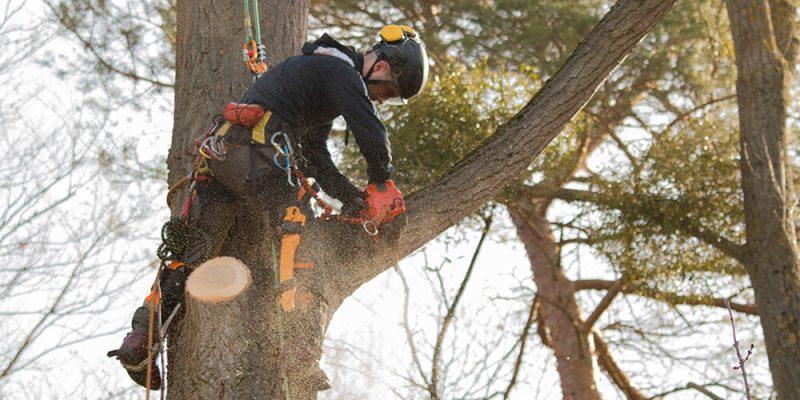
April 3
Modern tree r emoval often involves more than manual cutting techniques. In many cases, heavy equipment plays a crucial role in handling large, complex, or hazardous trees. Homeowners researching local tree cutting service may come across situations where specialized machinery is necessary to complete the job safely and efficiently.
Why Heavy Equipment Is Used
Heavy equipment is typically introduced when trees are too large, too unstable, or too close to structures to be removed using standard methods alone. Equipment helps control movement, reduce manual effort, and improve precision during the removal process.
Instead of relying solely on manual labour, machinery allows teams to manage weight, height, and balance in a controlled manner.
Common Types of Equipment Used
Different types of equipment serve different purposes during tree removal:
- Cranes – Used to lift and lower large sections of a tree safely in confined spaces
- Bucket trucks – Allow workers to access higher branches without climbing
- Woodchippers – Process branches into smaller pieces for easier disposal
- Skid steers and loaders – Assist in transporting logs and clearing debris
- Rigging systems with pulleys and ropes – Help guide the direction of falling sections
Each piece of equipment contributes to a more controlled and organized removal process.
Situations That Require Machinery
Heavy equipment becomes especially useful in scenarios such as:
- Trees located near homes, power lines, or other structures
- Extremely tall or wide trees that cannot be safely cut from the ground alone
- Trees with unstable trunks or compromised root systems
- Limited access areas where manual removal would be inefficient
In these situations, providers offering local tree cutting service often rely on machinery to reduce risk and maintain control throughout the operation.
How Equipment Improves Safety
Using heavy equipment reduces the need for workers to operate in dangerous positions. For example, cranes can lift large trunk sections vertically, eliminating the need for them to fall freely. This minimizes the chances of damage to nearby property and reduces the physical strain on workers.
Controlled lifting and lowering also ensure that heavy sections are handled gradually rather than dropped or dragged.
Coordination Between Team and Machinery
Operating heavy equipment requires coordination between ground crews and machine operators. Clear communication ensures that each movement is timed correctly, especially when lifting or positioning large tree sections.
Signals, radios, or visual cues are often used to synchronize actions and maintain safety throughout the process.
Efficiency and Precision Benefits
Heavy equipment not only enhances safety but also improves efficiency. Tasks that would otherwise take hours manually can often be completed more quickly with the right machinery. Additionally, precision control allows for cleaner cuts and more organized removal of debris.
Understanding how machinery is used in tree removal helps property owners appreciate the level of planning and coordination involved in handling large or challenging trees.











Comments