
 By
By 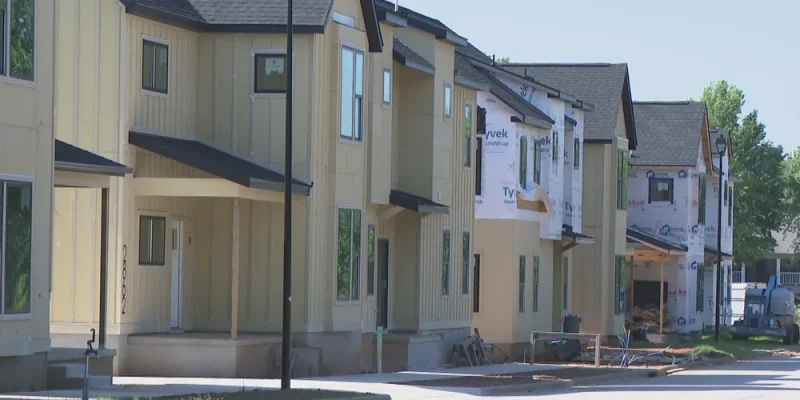
Fayetteville is a university city, and its housing reflects that. The University of Arkansas enrolled more than 34,000 students in 2025, and much of the city lives in rentals built to serve them. Census figures show that 58.2 percent of occupied homes in Fayetteville are rented, above the national average. Apartments, duplexes, and shared houses fill the neighborhoods around campus. This dense, high-turnover rental market gives pests conditions that a street of long-owned homes would not, and it calls for a different approach to control.
Property owners and tenants benefit from local pest control specialists who understand how rentals work. A technician who treats multi-unit housing looks beyond one apartment to the shared spaces that let pests move. Treating one unit while ignoring the building around it rarely solves the problem for long.
Why Shared Walls Let Pests Spread Between Units
Apartments and duplexes share walls, floors, and utility lines, and pests travel along all of them. A cockroach or mouse problem in one unit can reach the next through gaps around pipes and wiring. When one tenant treats an apartment alone, the pests often move next door and return later. Effective control in these buildings treats connected units together and seals the shared routes between them. This is why building-wide service works better than unit-by-unit spraying. In a building where units connect, a problem that looks small in one apartment is often a sign of a larger population living in the shared spaces between the walls.
How Summer Turnover Moves Pests From Home to Home
Fayetteville’s rental market turns over heavily each summer as students move out and in. Furniture, boxes, and used items travel between apartments and storage units during these weeks. Pests move with them, tucked into cardboard, upholstery, and appliances. An empty unit between tenants can also let a small problem grow unnoticed before the next lease begins. Inspecting and treating units during turnover stops pests before new residents arrive. Move-in weekends also bring secondhand furniture onto the property, and used items like these often hide cockroaches or their eggs.
Why German Cockroaches Thrive in Rental Kitchens
German cockroaches are the most common pest in apartments, and they do well in shared rental kitchens. They breed quickly, shelter in warm gaps behind appliances, and feed on crumbs and grease. A single missed infestation can spread through a building within months. Because they reproduce so fast, they need consistent treatment across a property, not a one-time response. Clean shared kitchens and sealed cracks slow them, though professional service is often needed to clear an established population. A heavy roach population can also trigger allergies and asthma in sensitive residents, which makes it a health concern as much as a nuisance.
Why Absentee Owners and Quick Fixes Fall Short
Many Fayetteville rentals belong to owners who live elsewhere or manage several properties at once. A problem reported by one tenant can go unaddressed until it spreads. Over-the-counter treatments may knock down what a resident sees while missing the source in a wall or a neighboring unit. A managed pest plan gives owners a clear record of inspections and treatments across their properties. It also helps them meet their duty to provide safe, livable housing.
Why Rental Properties Need Building-Wide Treatment
In a rental market that turns over this often, a one-time treatment never keeps up for long. A recurring plan does better, because it covers the whole building and comes back at each turnover instead of only when a tenant complains. Palisade Pest Control handles rentals this way, so a problem in one unit gets dealt with before the next lease begins. Owners field fewer callbacks, and new tenants move into a place that has already been checked.




Comments